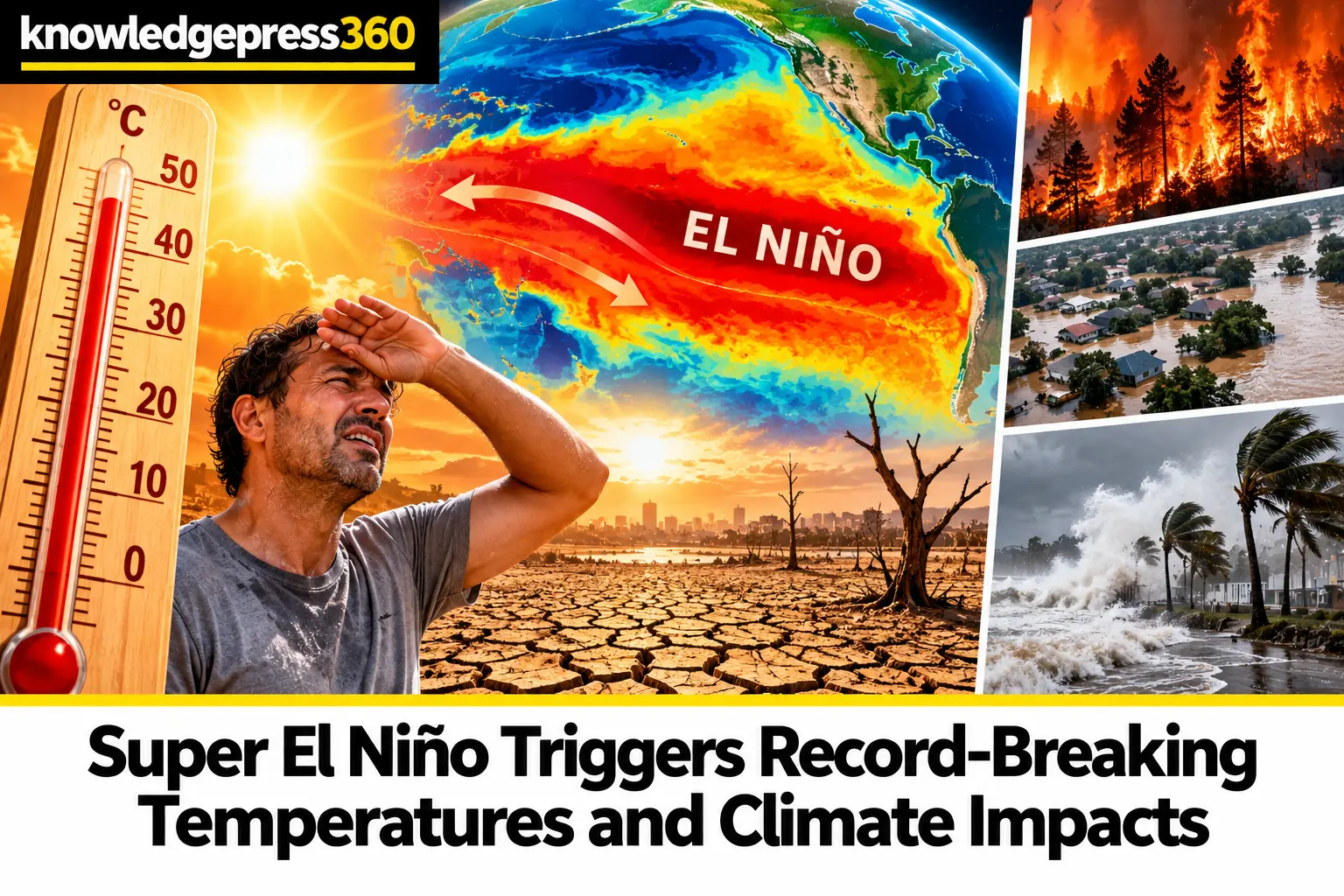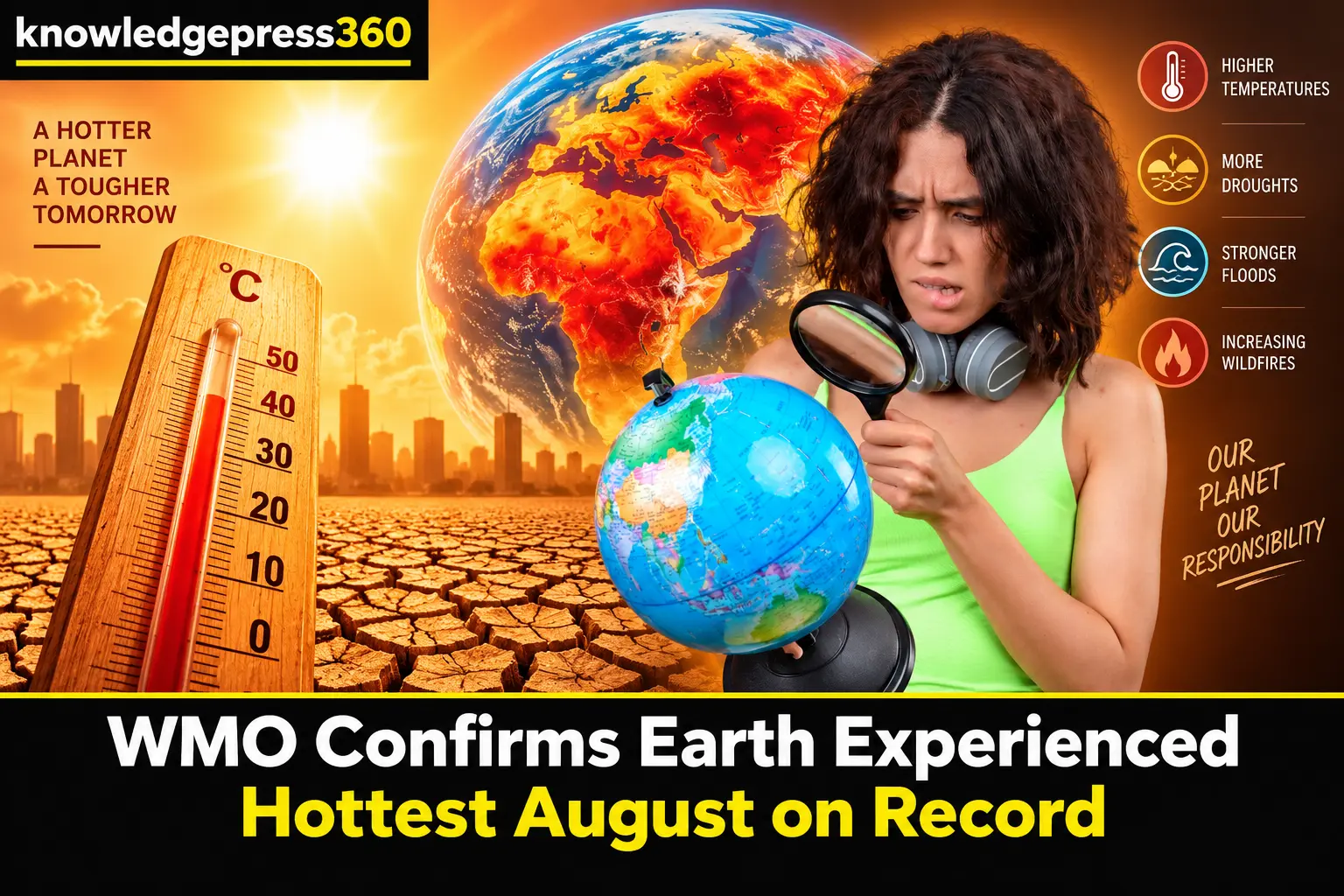
The World Meteorological Organization has officially verified that Earth experienced its hottest August on record in 2026, a milestone driven by rising baseline global temperatures and intensifying El Niño conditions across the central and eastern tropical Pacific Ocean. This latest climatic milestone underscores an accelerating warming trend that continues to strain ecosystems, agricultural output, and water security across multiple continents. As international climate negotiators prepare for forthcoming global summits, scientists note that these persistent temperature anomalies reflect systemic shifts in planetary conditions.
Global Temperature Records Broken in August
Data compiled from the Copernicus Climate Change Service ERA5 datasets reveal that August 2026 tied directly with July 2023 as the joint warmest month ever recorded globally. During this period, global average surface air temperatures sat 1.65 degrees Celsius above pre-industrial baseline estimates. Independent assessments from the National Oceanic and Atmospheric Administration placed global surface temperatures at 1.32 degrees Celsius above the twentieth-century average, marking the highest August reading in records extending back to 1850. Meteorological authorities emphasize that all ten of the warmest Augusts observed in modern history have occurred since 2016, illustrating a pronounced acceleration in global heating.
Extreme Weather and Environmental Impacts
The unrelenting heat generated severe environmental consequences across diverse geographical regions. Record-high temperatures heavily impacted Greenland, Africa, parts of Europe, Asia, the Americas, and major oceanic basins, where extra-polar global sea surface temperatures reached an unprecedented high of 21.11 degrees Celsius. In Europe, exceptional heatwaves and prolonged dryness triggered severe drought conditions in nations including France, the United Kingdom, Hungary, Romania, and Serbia. These conditions resulted in exceptionally low water flow levels in major arterial waterways such as the Rhine, Danube, and Dnieper rivers. Meanwhile, developing El Niño conditions severely dried out tropical landscapes in Southeast Asia, sparking massive seasonal wildfires in Indonesia that placed 2026 carbon emissions on a trajectory matching the catastrophic 2015 fire season.
Shifting Climate Patterns and Future Risks
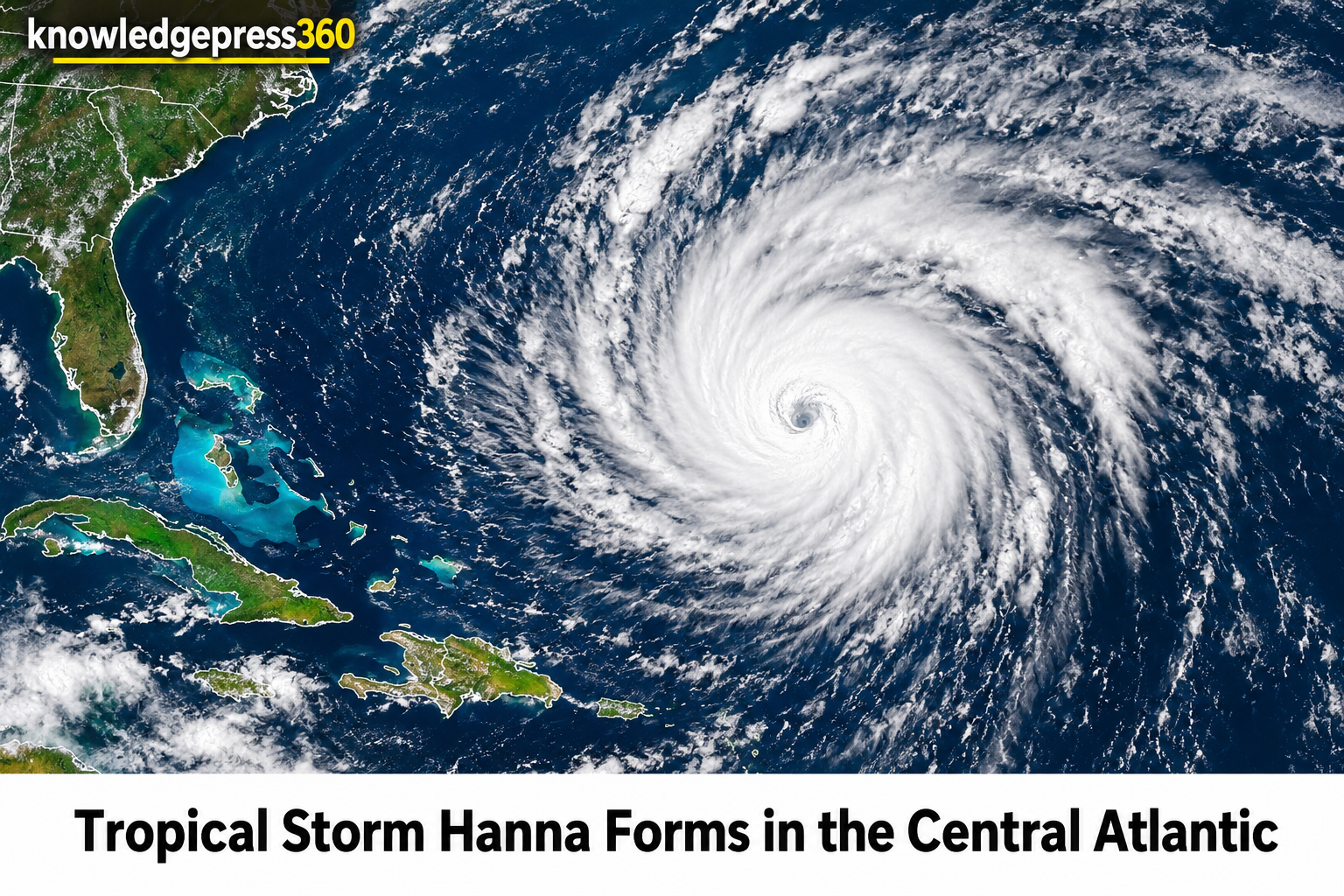
The convergence of record baseline temperatures and a firmly established El Niño cycle has created compounding vulnerabilities worldwide. Global tropical cyclone activity remained above average throughout the month, producing nineteen distinct tropical storms, including Typhoon Dolphin, which made notable landfall in China. Furthermore, both the Arctic and Antarctic recorded below-average sea ice coverage, pointing to ongoing polar changes. While researchers continue to monitor the developing El Niño event, current observations indicate that its wide-ranging impacts on regional rainfall and temperature patterns will persist well into the following year.