An ongoing and exceptionally potent El Niño phenomenon has shattered historical climate benchmarks, registering extraordinary sea surface temperatures months ahead of its anticipated seasonal peak. Meteorological authorities and climate researchers report that the current event is tracking toward becoming the most severe of its kind in at least a millennium, supercharging global temperature anomalies following a historically warm summer. This rapid heating compounds long-term greenhouse gas accumulation, driving international concern over extreme weather volatility and agricultural disruptions worldwide.
Unprecedented Pacific Ocean Temperatures
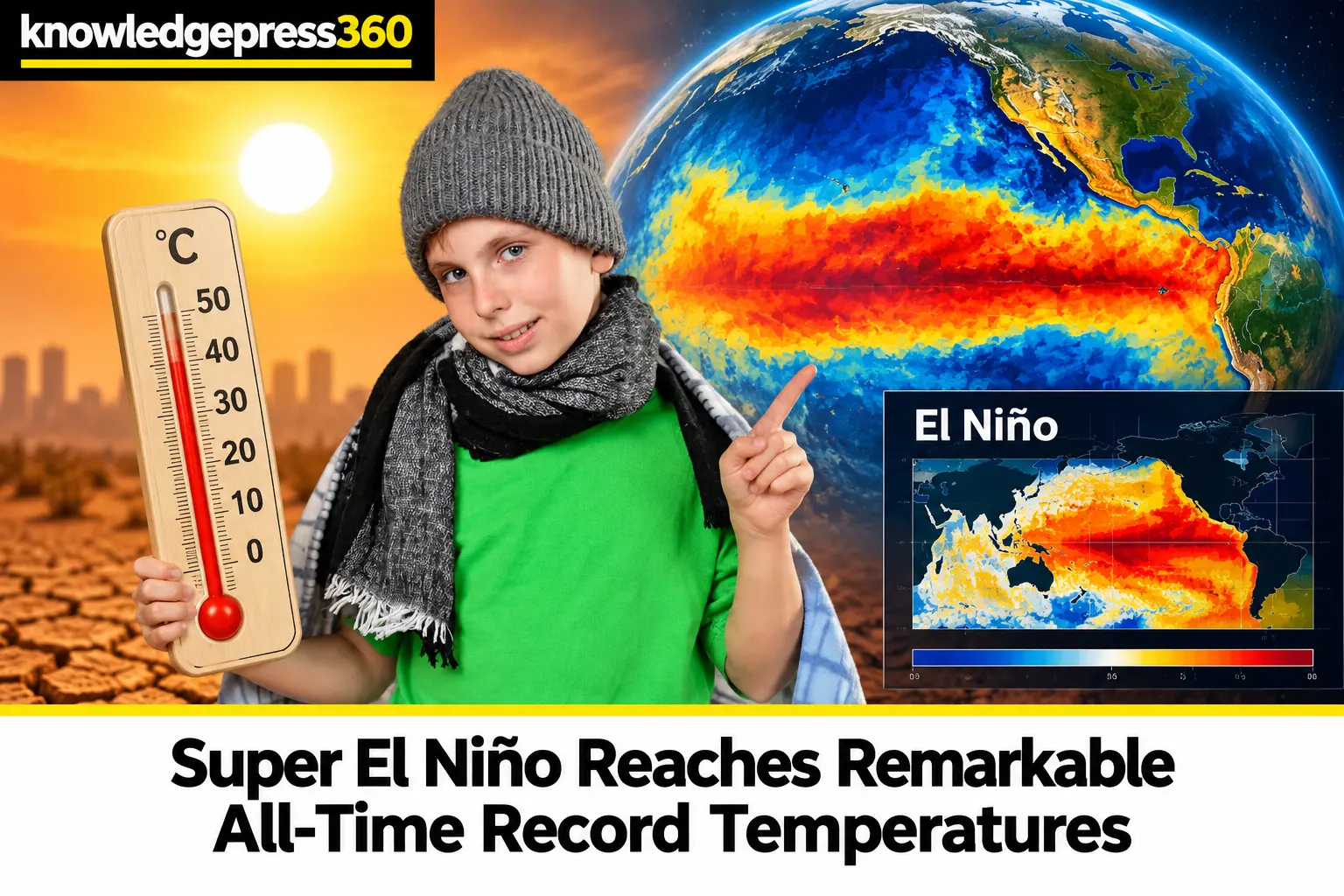
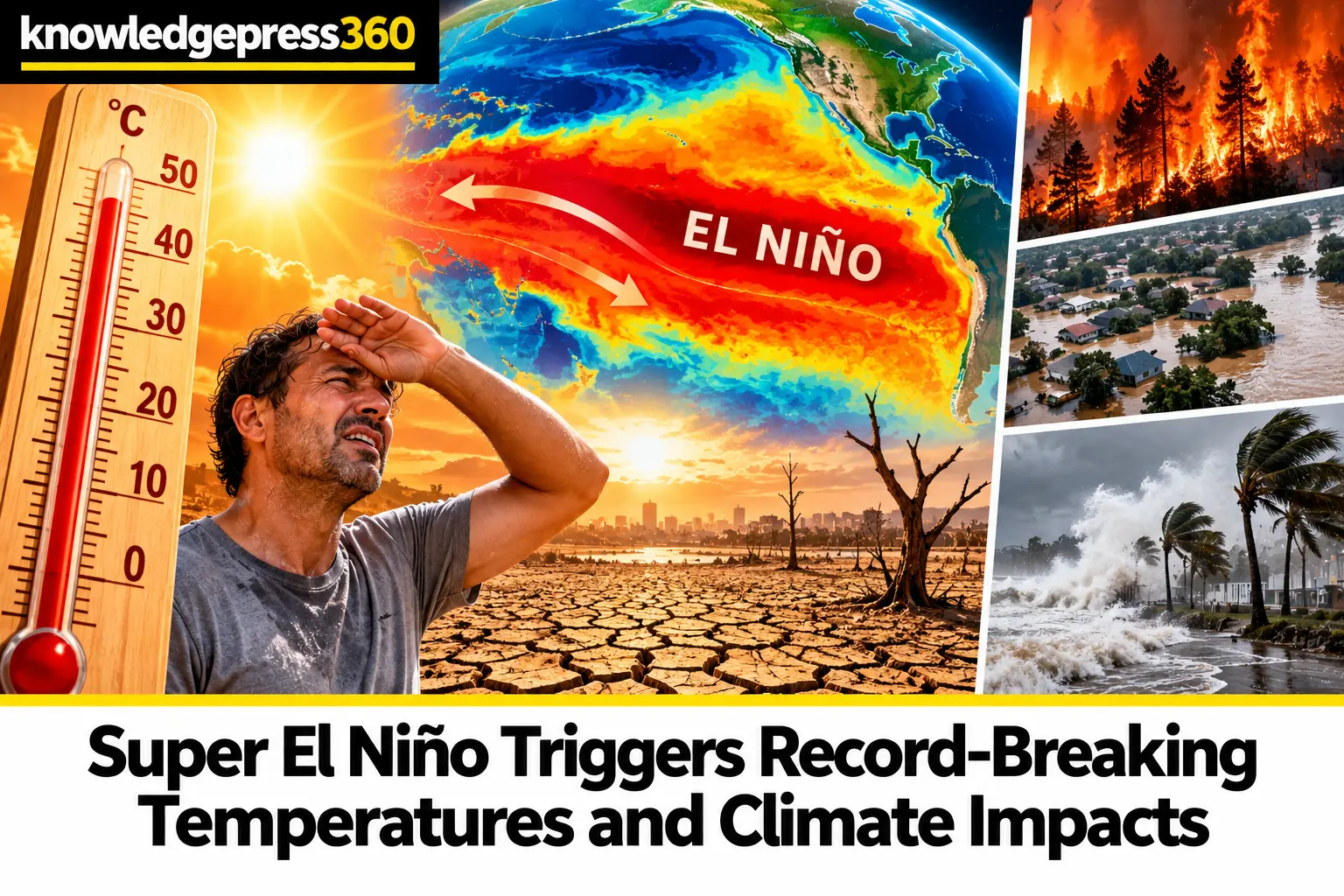
Latest observational data indicates that sea surface temperatures at the core equatorial region of the Pacific Ocean have climbed to 3.05°C above the 1991 to 2020 baseline average. This figure eclipses the previous peak record of 3.02°C set in November 2015. Furthermore, the specialized Niño 3.4 index, which accounts for background global warming trends, has reached 3.07°C. This places the current phenomenon in a striking statistical tie with the extreme values observed on November 18, 2015. Experts note that historical El Niño episodes invariably strengthen past mid-September, raising serious projections that the current event could peak between November and January with temperature anomalies scaling as high as 4.1°C.
Accelerating Global Heat Anomalies
The extraordinary intensity of this marine heat anomaly compounds an already severe multi-year climate trajectory across the globe. Global average surface temperatures for the first eight months of the year sit 1.22°C above pre-industrial baselines. This follows an August that was officially verified as the warmest August on record by the Copernicus Climate Change Service. The convergence of persistent emissions and the sudden onset of this supercharged Pacific cycle has prompted scientific consensus that the year is virtually certain to eclipse prior global heat records, altering atmospheric circulation patterns on a planetary scale.
Complex Regional Weather Impacts
While the macro-scale indicators are clear, uncertainties remain regarding the precise peak intensity the phenomenon will reach during the winter months, as well as the localized severity and geographic distribution of secondary meteorological impacts. Extreme El Niño cycles typically trigger severe droughts, catastrophic flash flooding, intense heatwaves, and agricultural disruptions across vulnerable regions. Concurrently, international leaders addressing the climate crisis during UN General Assembly meetings and Climate Week in New York have highlighted how this environmental volatility increases geopolitical and security pressures, accelerating global discussions on disaster preparedness.