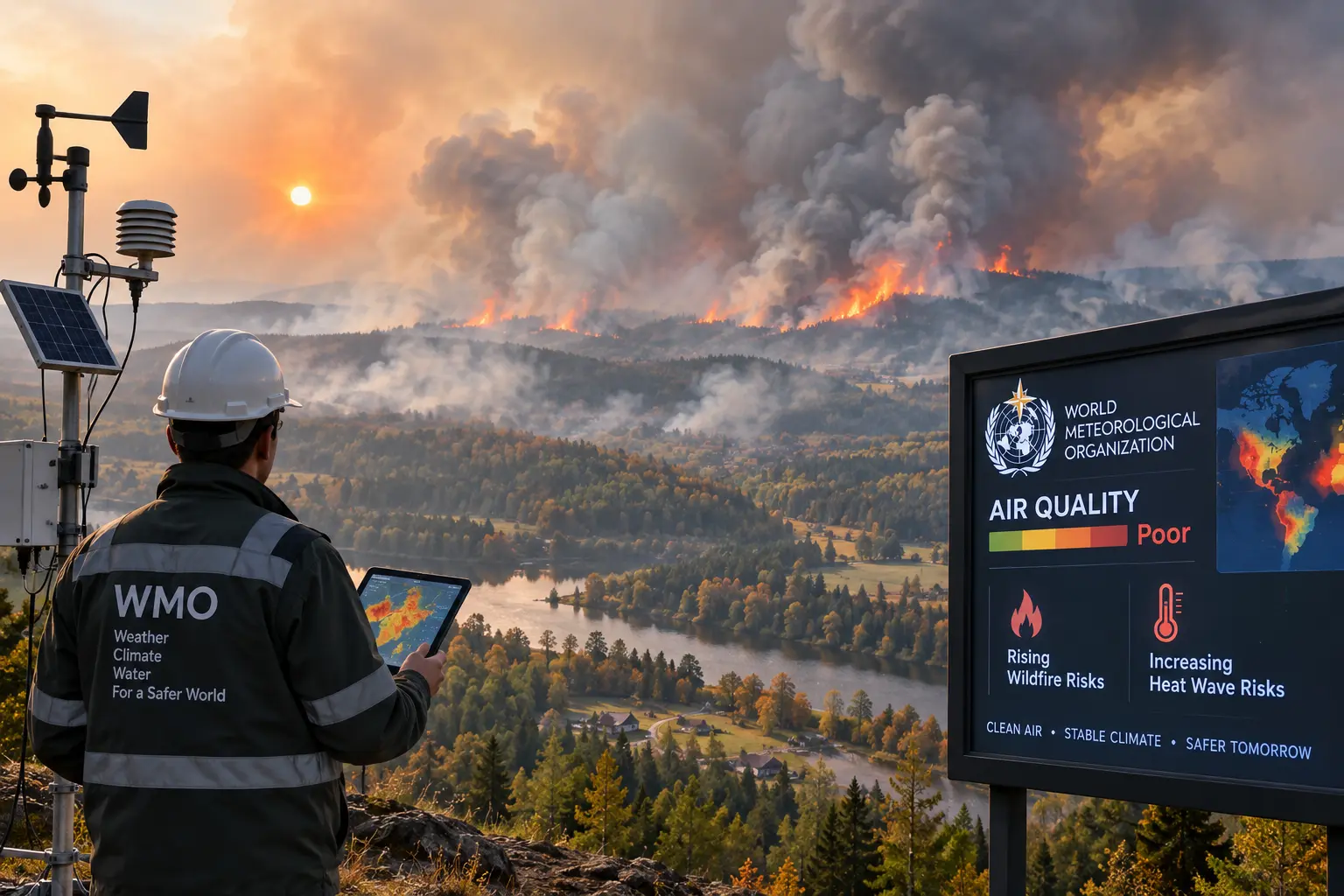
The release of the World Meteorological Organization Air Quality and Climate Bulletin No. 6 in September 2026 marks a sobering turning point in our understanding of atmospheric health. For decades, environmental policy has focused heavily on curbing industrial smokestacks and vehicular exhaust, yielding substantial improvements in urban air quality across Europe and North America. However, the latest bulletin issues a stark warning that these hard-won gains are now being actively undermined by climate-driven extremes. As severe heat waves and intensifying wildfires sweep across continents, they create a compounding environmental crisis that traditional pollution models are ill-equipped to handle, threatening public health on a global scale. This development matters profoundly because it exposes the vulnerability of clean-air progress and demonstrates why isolated regulatory frameworks can no longer adequately protect populations from atmospheric degradation.
Unraveling Industrial Progress Through Extreme Wildfire Smoke
While targeted regulatory frameworks have successfully driven down industrial and transport-related emissions of fine particulate matter, human exposure to fire-related particulate matter has surged in recent years. The WMO report highlights that extreme fire-smoke events have tripled globally since the 1990s, triggering massive public health consequences. Between 2010 and 2018, these events contributed to nearly 100,000 additional deaths per year, though experts caution that even these figures may be conservative. During the 2025 season, particulate concentrations surpassed long-term averages in diverse and widespread regions, including northern Canada, parts of Russia, western-central Africa, and northwestern Spain following intense late-summer fires.
The threat is compounded by the chemical composition of wildfire smoke. Unlike standard urban pollution, microparticles generated by burning vegetation cause severe body-wide inflammation and possess a heightened toxicity that allows them to be carried by wind over vast distances. Consequently, populations and wildlife situated far from active fire zones find themselves exposed to hazardous air quality. The WMO notes that conventional risk models, which rely solely on total particulate concentrations rather than specific pollutant toxicity, may underestimate wildfire-attributable mortality by up to 93 percent. This massive discrepancy points to an urgent need to overhaul how public health agencies calculate and communicate the dangers of smoke exposure during severe fire seasons.
Ground-Level Ozone Surges Alongside Heat Wave Stagnation and Agricultural Distress
Beyond particulates, prolonged heat waves are driving a dangerous accumulation of ground-level ozone through stagnating atmospheric conditions, high solar radiation, and rising temperatures. This dynamic has been observed recently in regions as varied as Europe, China, and the southeastern United States, threatening tens of thousands of premature deaths predominantly driven by respiratory illnesses. The compounding pressures of extreme heat and drought are also destabilising economic and agricultural systems. Across Europe, scorched olive groves, shrunken potatoes, reduced carrot harvests, and dried-up rice fields reflect a widespread agricultural toll. According to the United Nations Food and Agriculture Organization, these climatic disruptions, alongside blocked fertiliser supplies and high fuel costs, have pushed global food prices to their highest level since early 2023.