Global marine ecosystems face an unprecedented ecological threat as intensifying thermal stress drives widespread coral bleaching across international waters. A comprehensive assessment published by the Global Coral Reef Monitoring Network indicates that worldwide coral cover has dropped significantly below historical baselines, pushing vital underwater habitats toward potential collapse. The findings arrive as scientists document a severe acceleration in marine heatwaves, leaving fragile reef systems without adequate recovery periods between successive environmental shocks. This deterioration poses immediate dangers not only to biodiversity hotspots but also to coastal communities that rely on marine resources for daily subsistence and shoreline protection.
Global Coral Reef Monitoring Network Details Unprecedented Decline
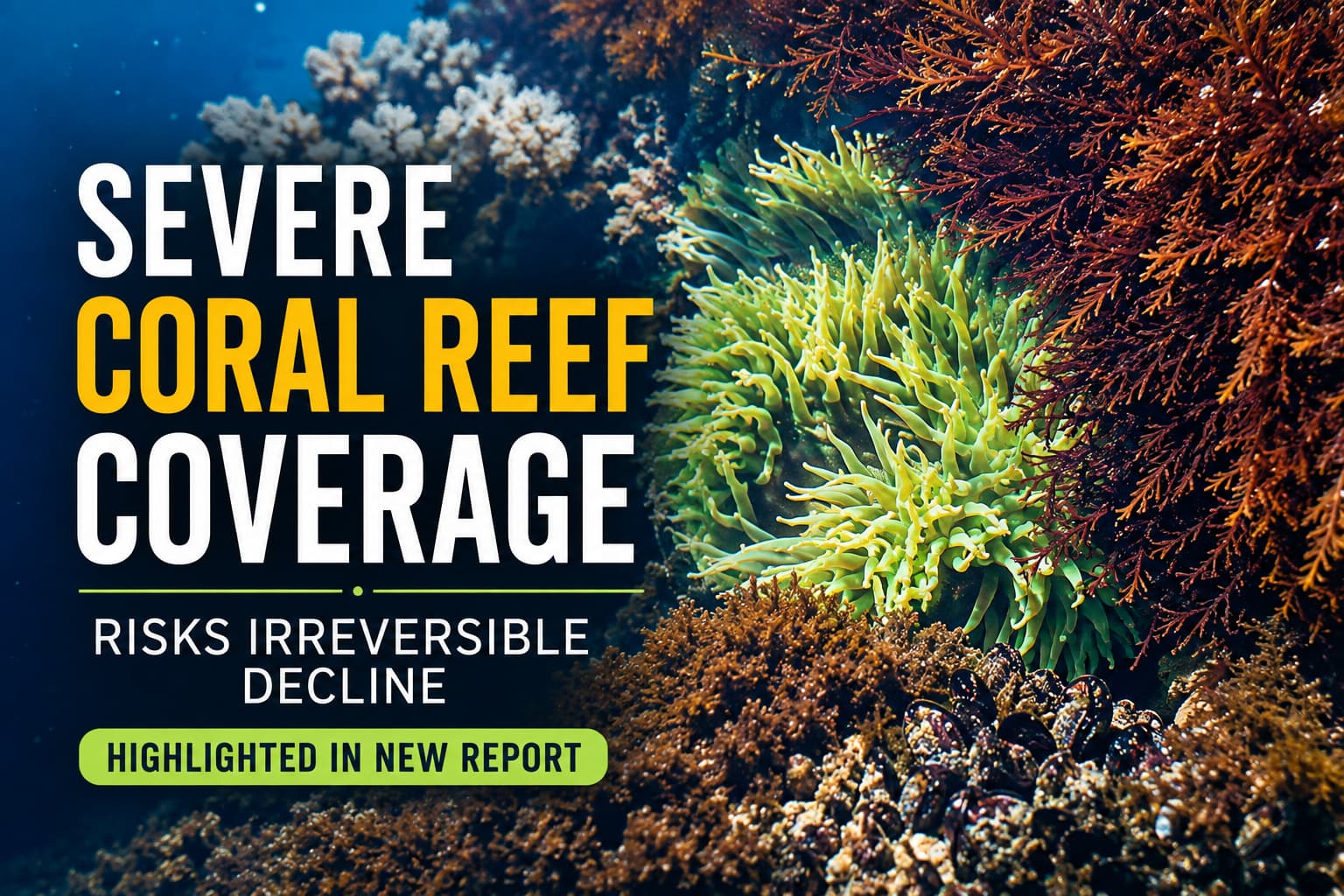
Released on August 31, 2026, the Global Coral Reef Monitoring Network report establishes that global coral coverage has departed sharply from four decades of relative stability. Lead author Manuel Gonzalez Rivero pointed out that worldwide coral levels remained largely consistent until 2010, after which a steep downward shift occurred. The assessment emphasizes that the 2023 marine bleaching event was the most extensive on record, affecting 77 percent of the world's coral reef areas. Researchers warn that another comparable bleaching phenomenon remains highly probable given ongoing global temperature elevations.
Coral bleaching is triggered when elevated water temperatures force corals to expel the colorful symbiotic algae residing within their tissues. Deprived of this essential energy source, the coral polyps become highly vulnerable to starvation and disease. Although bleached structures are not instantly dead, their continued survival depends entirely on a prompt return to cooler surrounding waters. Scientists note that the frequency of these thermal stress events has effectively doubled, preventing damaged ecosystems from regenerating before the next destructive wave arrives.
Ecological Significance and the Threat to Marine Biodiversity
Despite occupying less than 1 percent of the ocean floor, coral reefs function as essential barometers for global marine health, supporting over 25 percent of all marine life. These complex underwater habitats maintain fisheries, anchor coastal ecosystems, and provide natural barriers against storm surges. The current degradation threatens the foundational architecture of these biological communities, potentially causing cascading failures throughout marine food webs. Alongside thermal pressures, oceans face compounded strain from industrial pollution, overfishing, and broader biodiversity loss, creating a multifaceted crisis for aquatic life.