The Republic of Nepal has formally initiated an aggressive international campaign demanding financial compensation and systemic accountability following a catastrophic glacial-collapse flood that devastated the Nepal-China border region. This decisive shift moves vulnerable developing nations beyond traditional adaptation frameworks, framing climate catastrophes not as charitable humanitarian crises but as direct liabilities borne by major industrial emitters. With low-lying communities and mountain settlements facing mounting existential risks, Kathmandu's pursuit of justice establishes a critical precedent for international climate litigation and loss-and-damage architecture.
Glacial Collapse Unleashes Catastrophe Across the Bhotekoshi River Basin
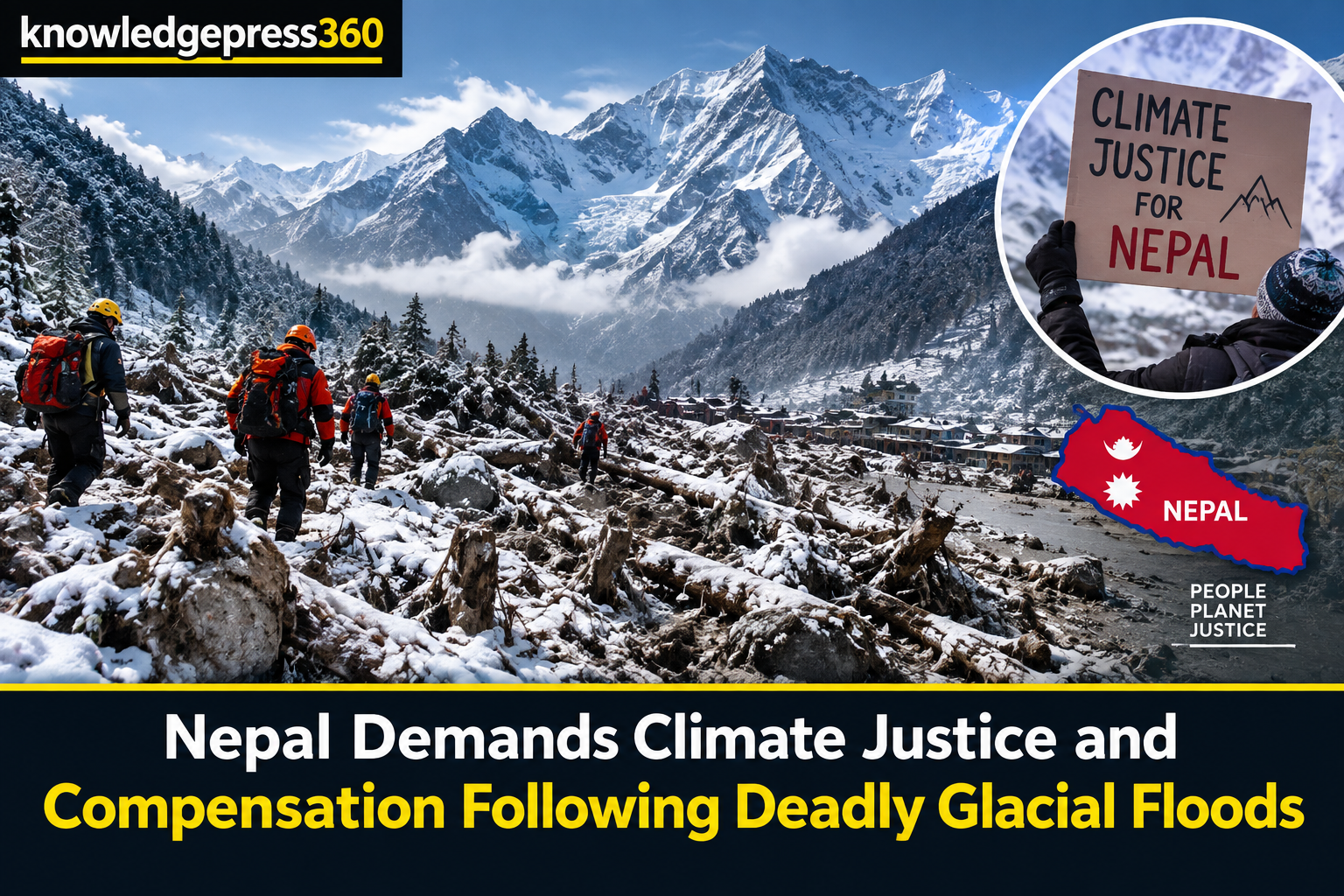
The disaster unfolded on August 26, 2026, when a significant portion of a high-altitude mountain glacier collapsed into the Bhotekoshi River basin. The resulting flash flood sent a devastating, mud-laden torrent crashing through Nepal's Rasuwa and Nuwakot regions, as well as the neighboring Tibet region in China. Official casualty figures confirm that more than 1,300 people lost their lives in the deluge. However, the precise number of missing persons remains subject to conflicting reports from regional monitors. Al Jazeera reports that more than 5,000 people remain unaccounted for, whereas figures cited by The Daily Star put the tally of missing individuals closer to 4,000. In response to the scale of the devastation, Nepalese leadership has designated the event a national tragedy, highlighting the vulnerability of high-altitude ecosystems to rapidly accelerating global temperatures.
Kathmandu Targets Major Carbon Polluters in Formal UN Appeal
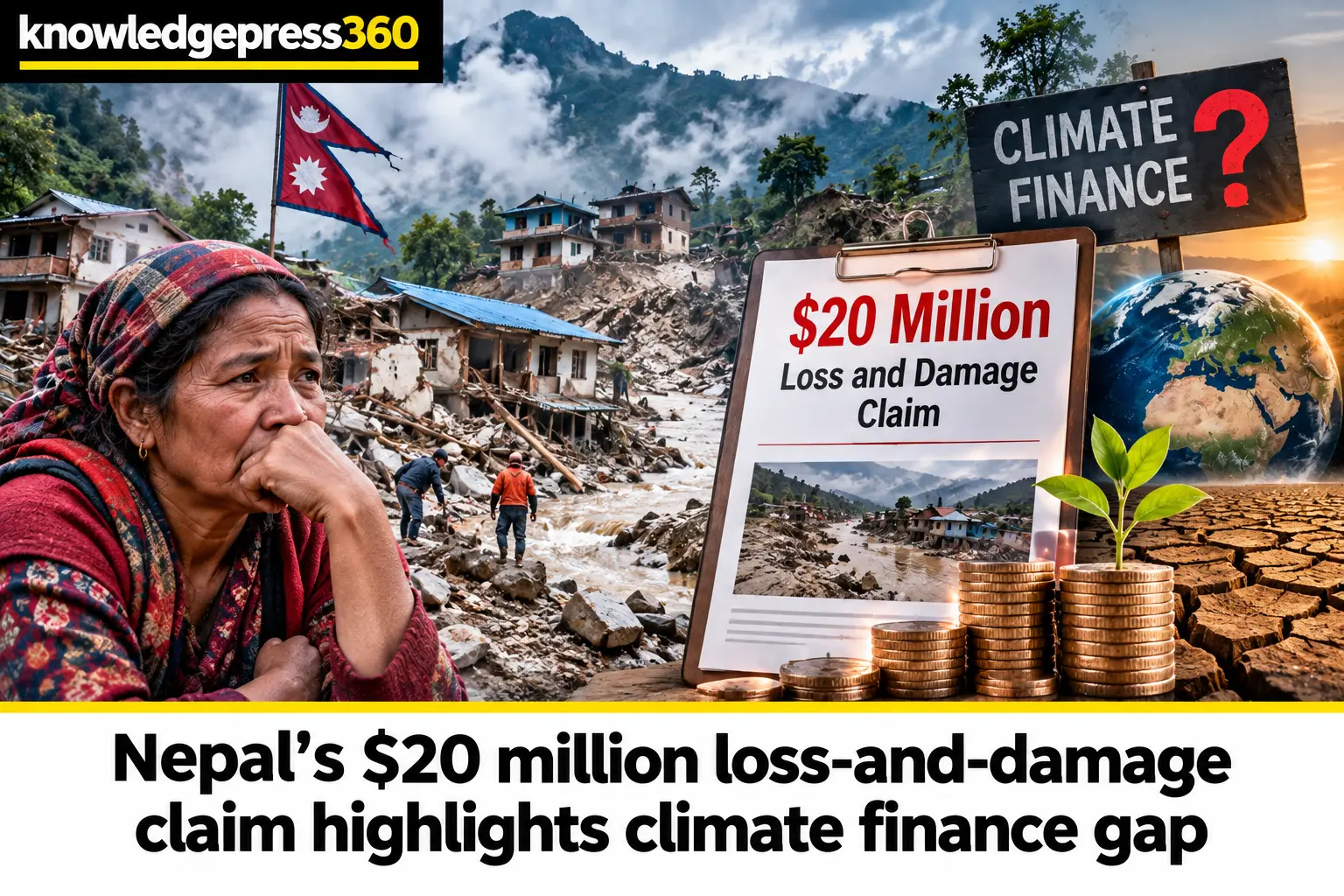
Rejecting traditional paradigms of foreign aid, the Nepalese government submitted a joint letter from the Ministry of Finance and the Ministry of Environment to the United Nations Loss and Damage Fund, requesting an immediate disbursement of twenty million dollars in damages. Foreign Minister Shisir Khanal articulated the nation's stance bluntly, stating that Nepal is paying the ultimate price for a global climate crisis it did nothing to create. Highlighting deep systemic imbalances, Khanal explicitly named major economic powers including China, the United States, and India as exceptionally large carbon emitters bearing legal and moral liability. This aggressive posture is underpinned by the stark reality that Nepal contributes less than 0.1 percent of global greenhouse gas emissions. Despite its minimal carbon footprint, its geographic positioning within the Hindu Kush Himalaya range exposes its population to extreme weather amplified by glacial melt rates that accelerated by 65 percent between 2011 and 2020 compared to the previous decade.