Recent global environmental assessments and climate data underscore severe, compounding disruptions to the Earth's hydrological and energy systems through September 2026. Data released by the Copernicus Climate Change Service reveal that the planet is experiencing unprecedented atmospheric moisture shifts alongside major macroeconomic realignments. This cluster of developments matters now because converging hydrological extremes, record-breaking atmospheric water vapour, and energy disruptions are fundamentally altering global climate resilience and resource management, leaving communities exposed to intensifying weather anomalies.
Record Atmospheric Water Vapour Levels
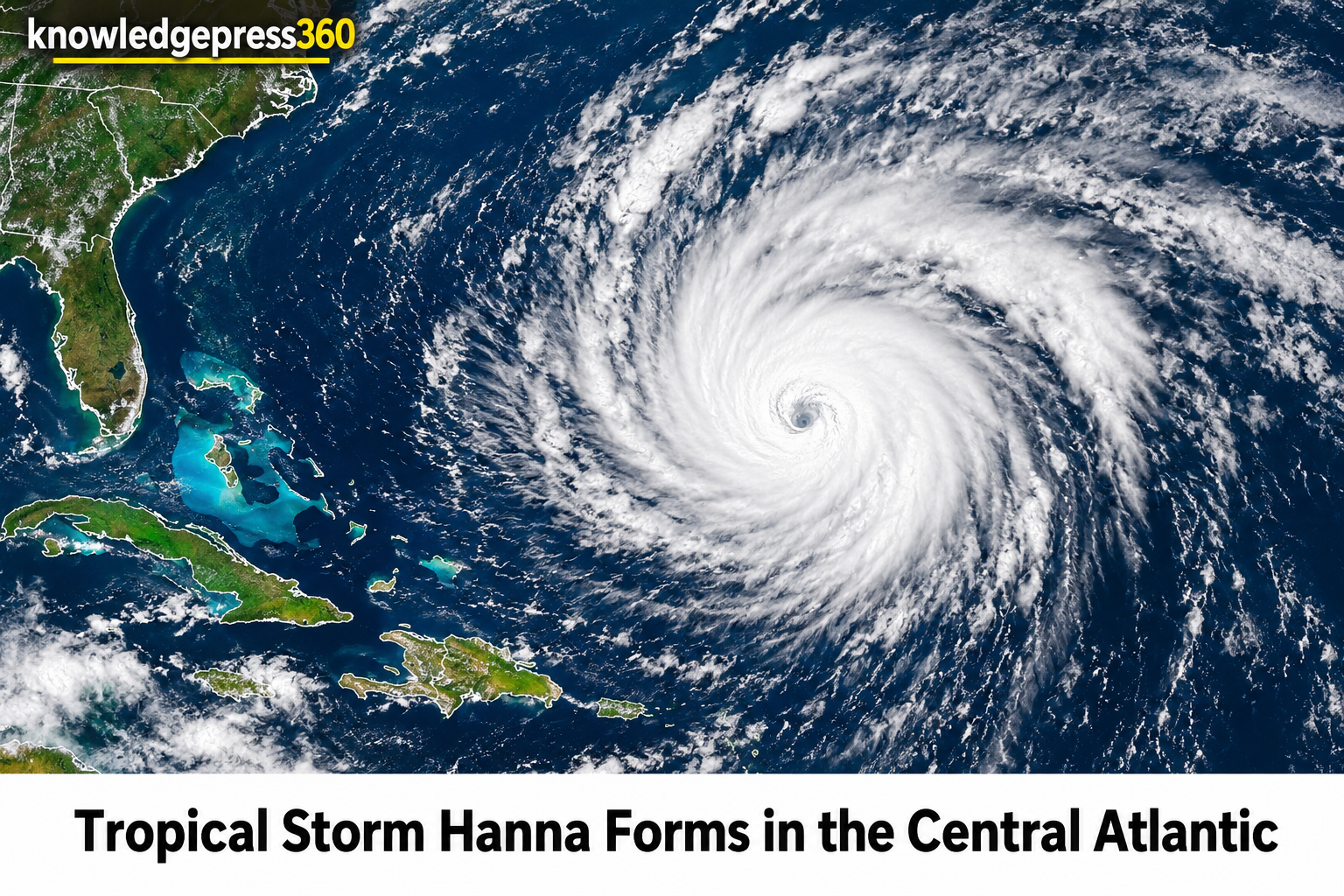
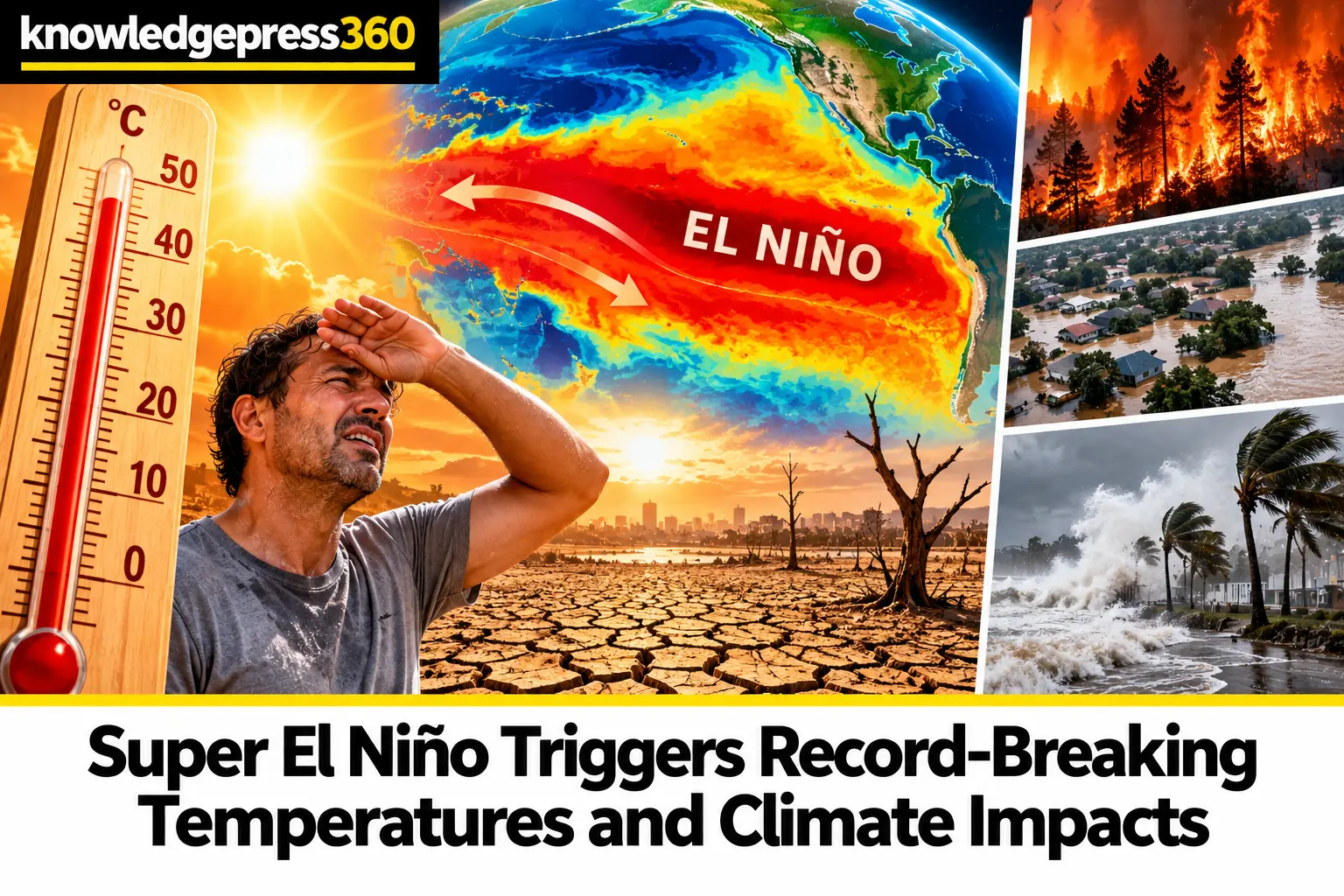
Earth's atmosphere reached a record water vapour level of 27.35 kg per square metre in August 2026, breaking the prior record from July 2024 by an equivalent of roughly 20 trillion litres of additional atmospheric water. Climate scientists attribute this extreme concentration to persistent global heating combined with exceptionally high sea surface temperatures in tropical oceans fueled by a strengthening El Niño climate pattern. Because warmer air can hold approximately 7% more water vapour per degree of global warming, this atmospheric surge drastically amplifies the risks of intense rainfall, cyclones, and catastrophic flooding worldwide. Conversely, the broader hydrological landscape continues to display erratic and volatile extremes of too much or too little water, severely testing regional infrastructure.
Widening Global Water Shortfalls
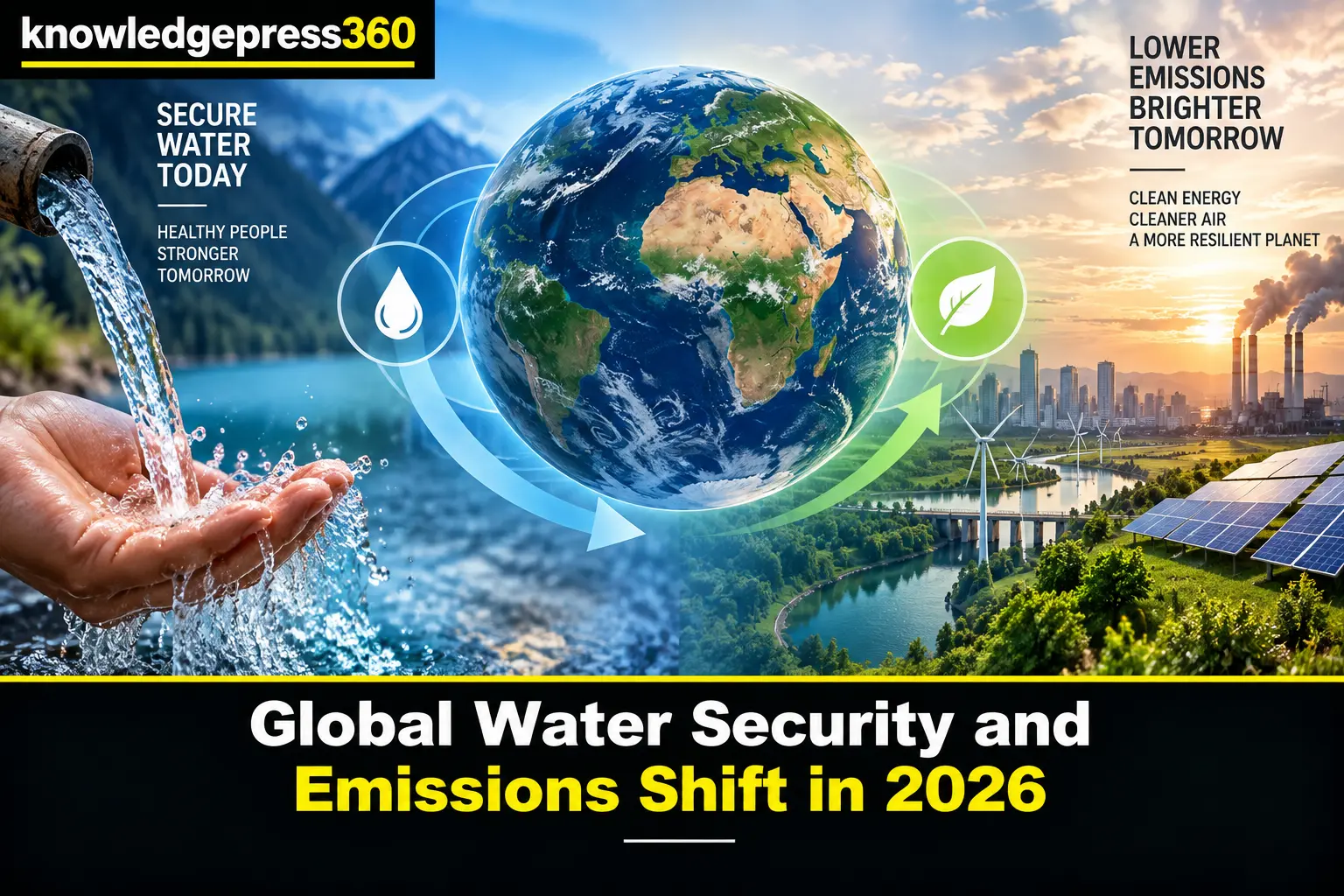
The World Meteorological Organization's ongoing framework highlights that consecutive years of below-normal river flows, depleted reservoir inflows, and historic glacial mass losses are threatening long-term water security for billions. According to United Nations metrics, approximately 3.6 billion people currently face inadequate access to water for at least one month per year. This alarming figure is projected to exceed 5.0 billion by 2050, leaving the global community far off track from achieving Sustainable Development Goal 6. Glaciers have suffered unprecedented mass loss over recent decades, reducing the vital freshwater supplies that downstream populations and agricultural sectors rely on during dry seasons.
Shifting Energy And Emissions Baselines
Parallel macroeconomic and geopolitical shocks are reshaping global emission and energy baselines. According to analysis of International Energy Agency forecasts, global fossil-fuel emissions are projected to fall by around 0.5% in 2026, influenced heavily by disruptions from the Hormuz crisis. The ongoing conflict has severely disrupted trade through the Strait of Hormuz, causing a massive reduction in global oil demand. The International Energy Agency forecasted a 2,500,000 barrels per day drop in global oil demand for 2026, alongside a compensatory 1.2% rise in global coal demand driven by elevated gas prices and cooling needs.