The global water cycle is experiencing severe strain as continental water reserves diminish, threatening ecosystems and human communities alike. In a comprehensive assessment released recently, the World Meteorological Organization published the 'State of Global Water Resources 2025' report, detailing widespread hydrological imbalances. The publication underscores how persistent droughts, shifting weather patterns, and heavy human extraction are depleting vital liquid assets across every continent, creating compounding risks for agriculture, sanitation, and regional stability worldwide.
WMO Publishes 2025 Water Report
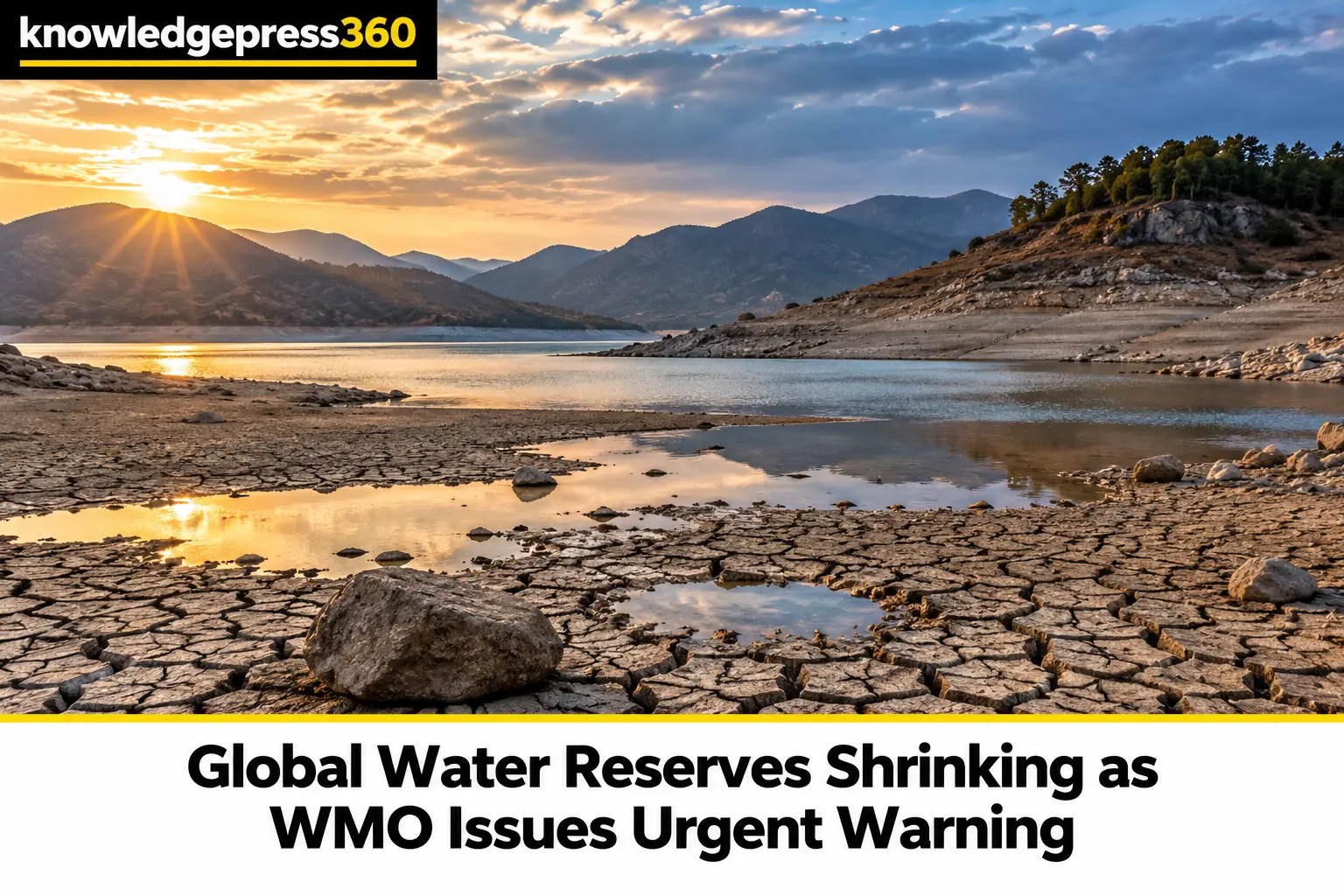
The World Meteorological Organization published the 'State of Global Water Resources 2025' report to track intensifying hydrological extremes. According to the findings, the total volume of water stored on continents is steadily decreasing. WMO Secretary-General Celeste Saulo compared these vital reserves to a rapidly depleting savings account, noting that humanity is draining buffers that once cushioned the blow of seasonal dry spells. River flows worldwide have remained unusually low since 2021, making recent years some of the driest observed in decades. In 2025, rivers carried less water in 36 percent of the world's basin areas compared to the 1991 to 2020 reference period.
Groundwater Deficits And Melting Ice
Beyond surface rivers, subterranean liquid stores are vanishing across multiple regions. Groundwater levels in 2025 were lower than the reference period at 65 percent of all monitoring stations included in the report. Regional disparities remain stark, with Central and Eastern Europe particularly affected by severe groundwater deficits, while Northern Europe recorded above-average levels during the same timeframe. Meanwhile, high-altitude and polar ice continued dramatic mass losses, with glaciers shedding approximately 400 gigatons last year alone. For the first time, the 2025 evaluation incorporated detailed water temperature metrics, revealing significantly higher aquatic temperatures that degrade water quality and stress aquatic ecosystems.
Climate Drivers And Resource Limits
Experts attribute these compounding trends to human-induced climate change, which accelerates evaporation and atmospheric moisture capacity, alongside intensive agricultural groundwater abstraction. While the report outlines sweeping observations covering the period up to the end of 2025, the precise long-term economic and ecological impacts remain difficult to quantify fully. Furthermore, the exact localized severity of upcoming disruptions carries inherent unpredictability, complicating regional adaptation planning and resource management across different international jurisdictions.
Future Hydrological Adaptation Needs
Looking ahead, international meteorological agencies warn that compounding pressures from a growing global population and prospective weather extremes require urgent, coordinated adaptation strategies. Policymakers must prioritize sustainable groundwater governance and advanced hydrological monitoring to navigate the escalating instability of the Earth's water cycle before critical resource thresholds are breached across vulnerable international regions.