Calculating the environmental cost of moving people and freight has long resembled an exercise in translation without a dictionary. Different jurisdictions, competing logistics companies, and varying national frameworks have historically relied on disparate methodologies to measure carbon output. This patchwork approach has frequently obscured true environmental impact, making it difficult for regulators, businesses, and consumers to compare the carbon footprints of rail, road, maritime, and aviation networks accurately. Addressing this systemic fragmentation is essential for designing effective climate policies that rely on verifiable data.
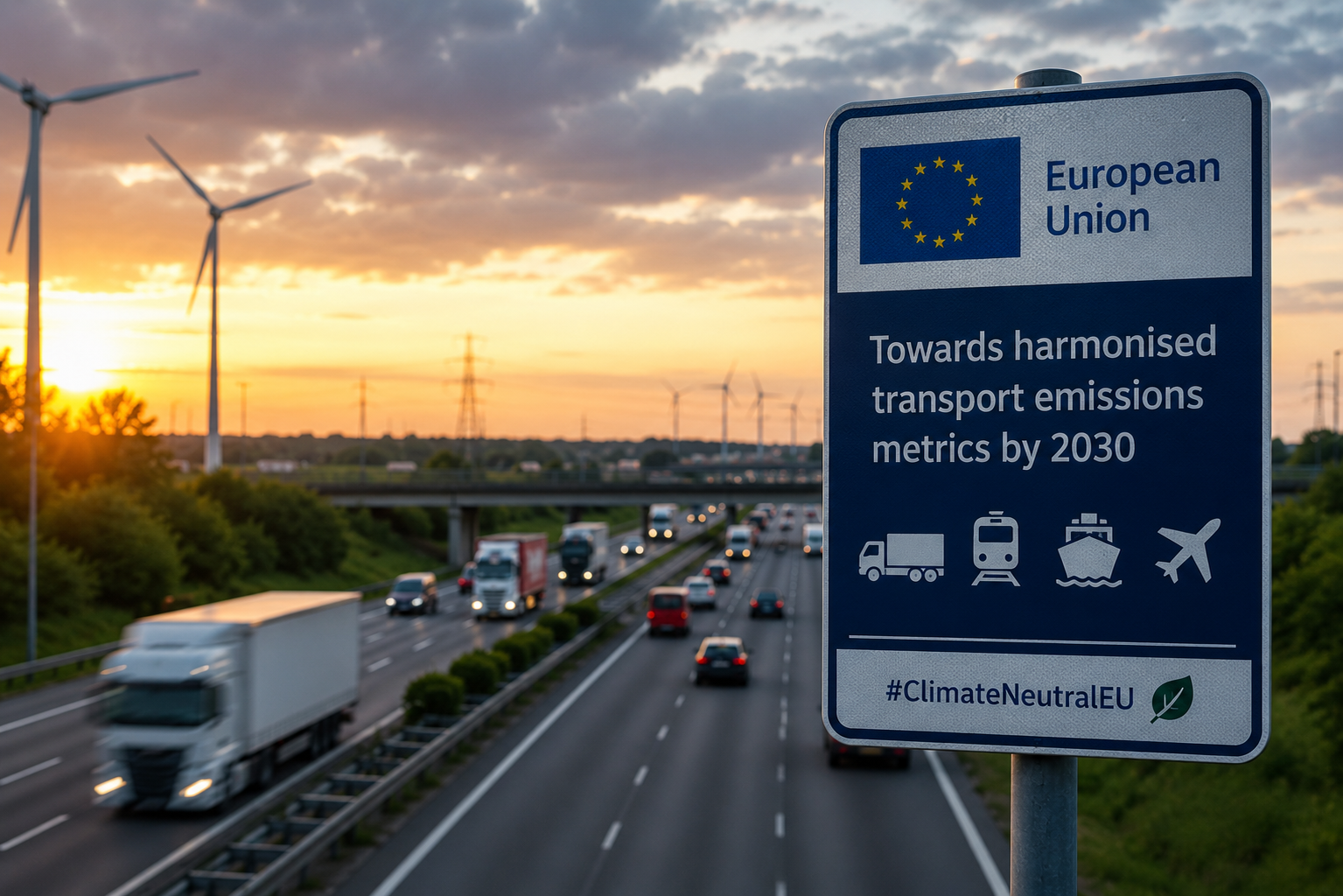
To resolve these discrepancies, the European Union has established a comprehensive regulatory framework designed to standardise transport emissions calculations across member states, with an official implementation date set for 2030. This legislative shift aims to establish a single, uniform standard for assessing greenhouse gas output throughout the entire transport sector. By eliminating methodological discrepancies, the bloc intends to create a transparent foundation for tracking progress toward broader climate neutrality targets. The standardisation effort forms a critical pillar of Europe's wider ambitions to decarbonise heavy industries and impose rigorous accountability on sectors historically difficult to green.
Achieving a unified calculation methodology requires navigating complex operational realities across diverse transport modes. Freight operators, passenger rail networks, and logistics providers currently utilise varying software tools and estimation models to report their environmental performance. The upcoming 2030 framework will require transport organisations that calculate and disclose emissions data to align their methodologies and reporting systems with the new European standard. Administrative burdens are likely to increase during the transition period as organisations work to align their legacy reporting mechanisms with the new European metrics. Ensuring that these standards remain practical while maintaining strict environmental integrity will be a central challenge for policymakers.
Uncertainty persists regarding the finer details of compliance enforcement and the specific reporting metrics that regulatory bodies will ultimately mandate. While the broad framework has been established, industry stakeholders await precise guidelines on how cross-border emissions will be attributed and audited. Questions also remain concerning how smaller transport enterprises will absorb the compliance costs associated with adopting the standardised methodology. Industry associations have urged authorities to provide robust technical support and clear transition timelines to mitigate potential disruptions to supply chains.
Looking ahead, the success of this standardisation initiative may extend far beyond the borders of the European Union. As multinational logistics corporations adapt to the 2030 requirements, pressure could mount on non-European jurisdictions to adopt compatible accounting frameworks to maintain seamless international trade. If other major trading blocs choose to align their metrics with the European model, global supply chains could finally operate under a truly universal carbon language. Monitoring upcoming regulatory updates and early industry reactions will offer vital insights into whether this ambitious standard can deliver genuine transparency across global transport networks.