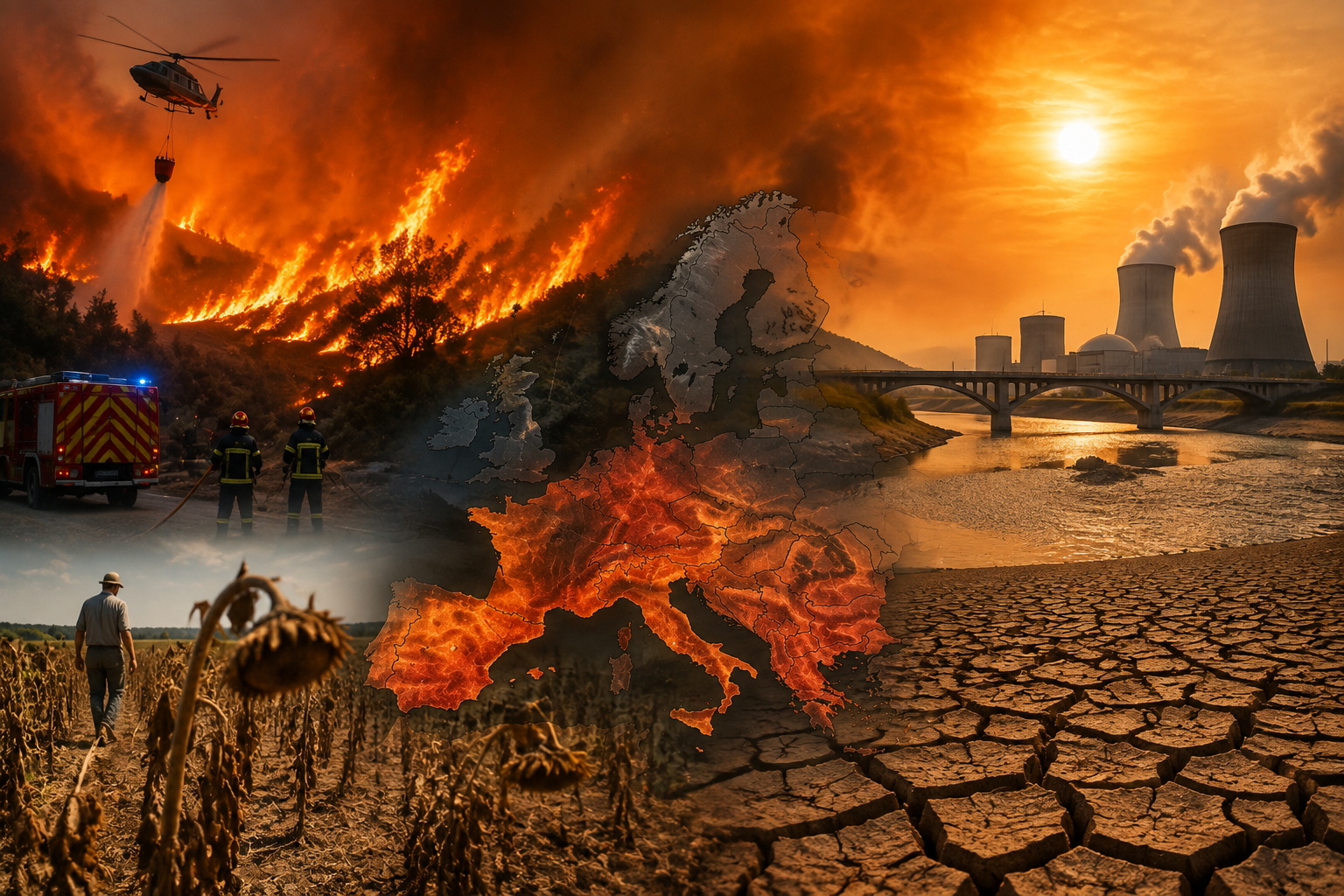
Europe is currently confronting a compounding environmental emergency as severe heatwaves and prolonged droughts transform the continent into a tinderbox. Independent research bodies and news agencies report that unprecedented meteorological conditions are supercharging aggressive wildfires, threatening not only fragile ecosystems but also human lives, agricultural productivity, and industrial infrastructure. As blazes sweep across vulnerable regions, the cascading consequences are exposing deep structural vulnerabilities in energy production and economic stability, forcing policymakers to re-evaluate the speed and scale of green transitions.
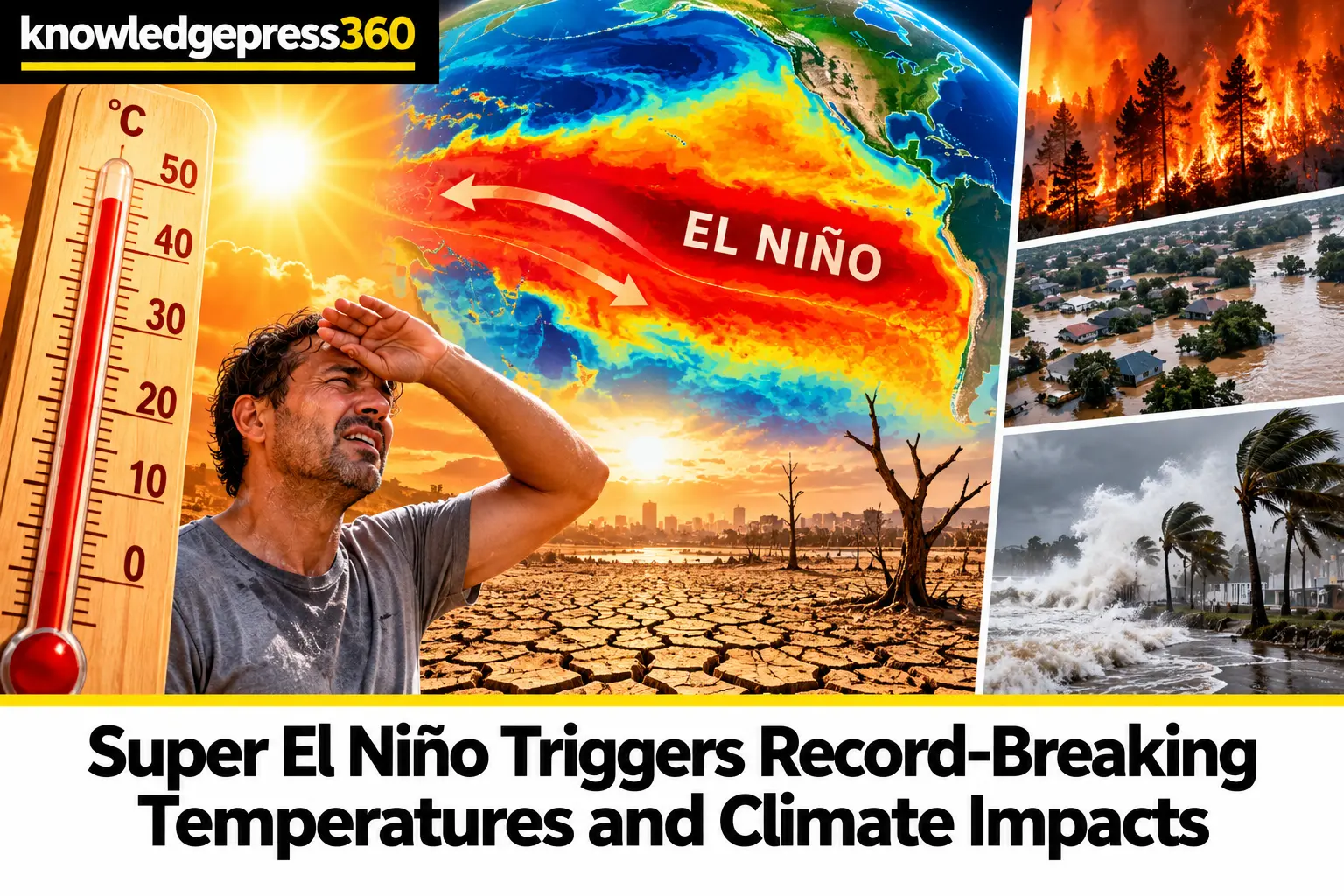
The mechanics driving this escalation lie in the convergence of intense heat and severe lack of moisture, which creates optimal parameters for rapid ignition and volatile fire spread. Anthropogenic warming has accelerated these weather patterns, making meteorological droughts more frequent and unseasonal temperatures more severe. When these dry spells collide with high ambient temperatures, vegetation dries out rapidly, turning forests and fields into hazardous fuel loads. The sheer scale of the resulting blazes challenges traditional containment methods deployed by emergency civil protection services, highlighting an urgent need for revised defensive strategies.
Beyond direct ecological devastation, the environmental crisis is exerting unprecedented pressure on vital industrial sectors, most notably nuclear energy generation. High air temperatures and reduced river flow volumes restrict the availability of adequate cooling water, introducing operational constraints for power plants across the continent. These secondary vulnerabilities demonstrate that modern infrastructure is deeply intertwined with environmental stability, where a meteorological drought rapidly cascades into an energy security challenge.
Simultaneously, the agricultural sector faces severe disruption, with crop yields threatened by prolonged dry conditions and fertile land scorched by advancing flames. While exact economic tallies and total agricultural losses remain difficult to quantify precisely in real-time, the overarching financial strain on rural communities is already evident. Furthermore, the massive release of carbon dioxide from burning biomass introduces complex feedback loops into the atmosphere, complicating regional carbon accounting and long-term climate modeling.
The visible intensity of these environmental shocks has propelled climate policy back to the centre of European political discourse. Governments face mounting pressure to balance immediate emergency response measures with long-term adaptation frameworks designed to protect critical assets. Debates surrounding net-zero policy deadlines have intensified as lawmakers grapple with the immediate reality of climate breakdown, testing the political consensus on environmental targets.
Looking ahead, observers will monitor updated meteorological assessments to gauge whether current drought conditions will persist or ease through upcoming seasonal transitions. Attention will also focus on the operational efficacy of European civil protection agencies in containing active blazes and the legislative battles over funding for robust climate adaptation measures. Ultimately, navigating this new reality will require bridging the gap between ambitious emission reduction targets and practical infrastructure resilience.