The announcement that August 2026 ranked as the world's joint-hottest month on record serves as a reminder of the accelerating pace of global heating. Published data from climate monitoring agencies highlights how persistent greenhouse gas emissions, combined with cyclical weather patterns, continue to alter historical climate boundaries. This latest milestone brings urgency to international policy discussions, underscoring the widening gap between global climate targets and the reality of rising temperatures experienced across continents. Understanding the full scope of these findings requires examining both atmospheric changes and their immediate terrestrial consequences.
Record Breaking Global Temperatures
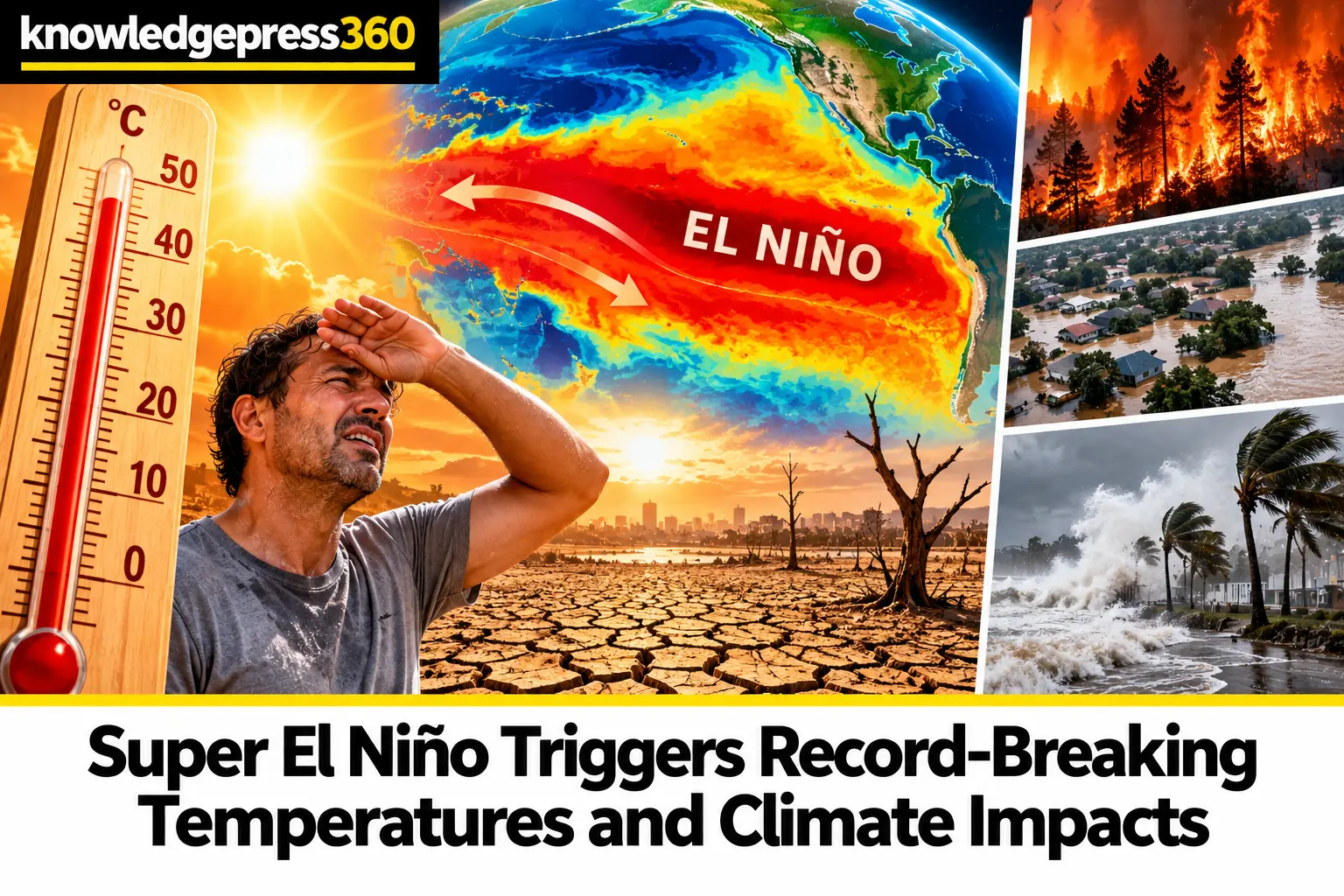
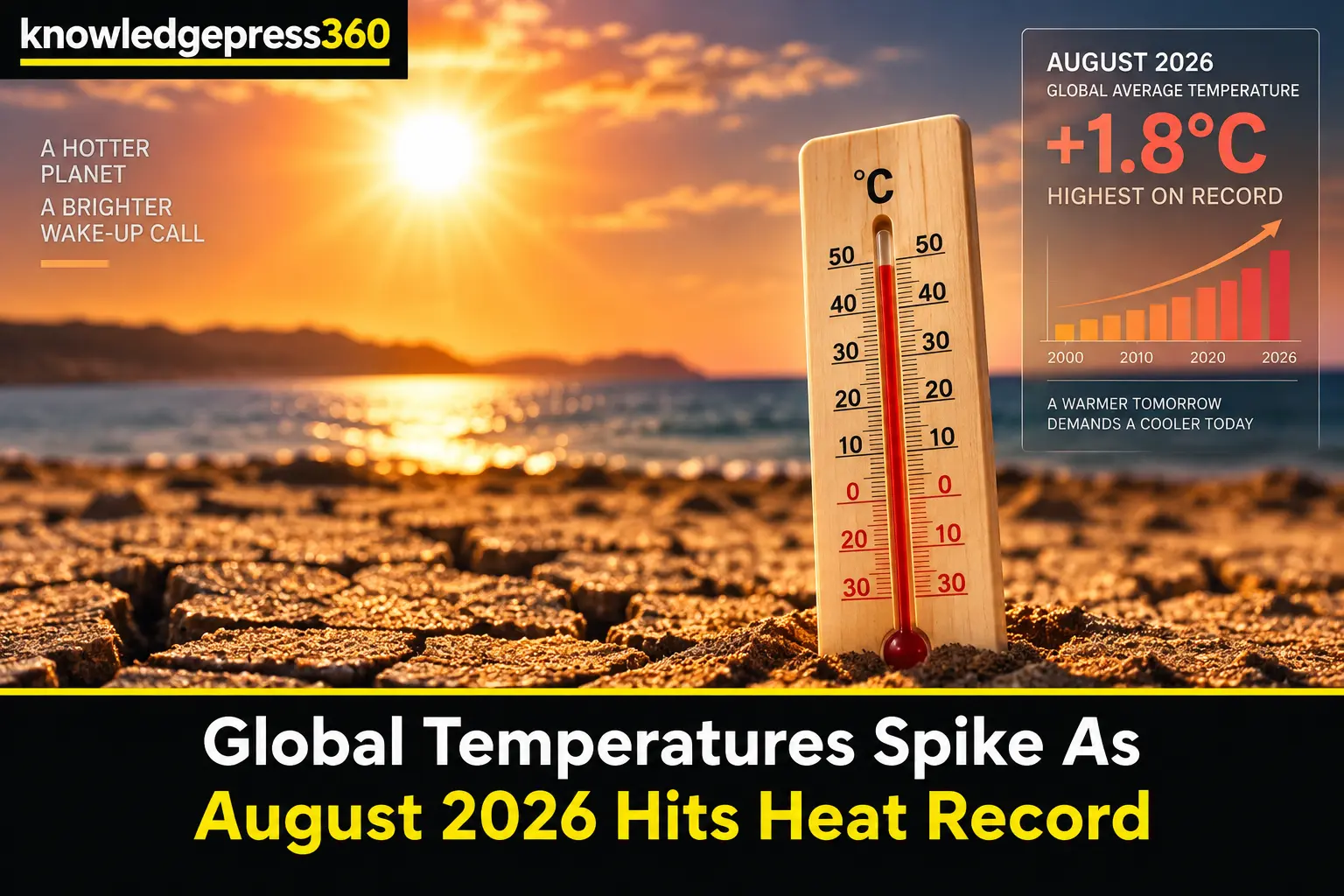
Data released by climate scientists reveals that August 2026 tied with July 2023 as the hottest month ever documented since comprehensive records began. Global average surface air temperatures soared to 1.65 degrees Celsius above the estimated pre-industrial baseline, marking the first time since November 2025 that monthly temperatures exceeded the critical 1.5 degrees Celsius threshold. This sustained warmth was amplified by long-term fossil fuel emissions alongside rapidly climbing sea surface temperatures in the equatorial Pacific, which are closely linked to an intensifying El Nino event.
Beyond atmospheric measurements, marine environments experienced thermal stress. Extra-polar sea surface temperatures reached joint-record highs, matching previous peaks recorded in March 2024, with daily readings hitting extraordinary levels. These warming oceans intensified weather extremes over land, leaving Western Europe to conclude its warmest summer on record, comfortably surpassing previous highs established over two decades ago. The relentless heat drove widespread dryness and exceptional drought conditions across regions spanning the United Kingdom, France, Hungary, Romania, Serbia, and Greece, translating into historically low river flows in vital commercial waterways such as the Rhine and Danube.
Scientific Context And Limits
While these figures illustrate an upward trajectory, researchers emphasise important distinctions regarding long-term climate targets. The 2015 Paris Agreement measures global warming against multi-decadal averages rather than individual monthly spikes. Consequently, while a single month exceeding 1.5 degrees Celsius is a significant warning sign, the permanent decadal warming level of the planet remains slightly below that critical threshold. Analysts caution that individual monthly breaches do not constitute a formal violation of the international treaty, though they demonstrate how closely the planet is tracking toward sustained long-term warming.
At the same time, experts note persistent analytical uncertainties regarding the ultimate peak intensity of the developing El Nino cycle. The precise local attribution of compounding feedback loops and their subsequent influence on regional weather patterns remain active areas of study for meteorological institutions. Researchers continue to model how these oceanic shifts will dictate seasonal transitions in the coming months, highlighting the interplay between recurring natural phenomena and human-driven climate change.