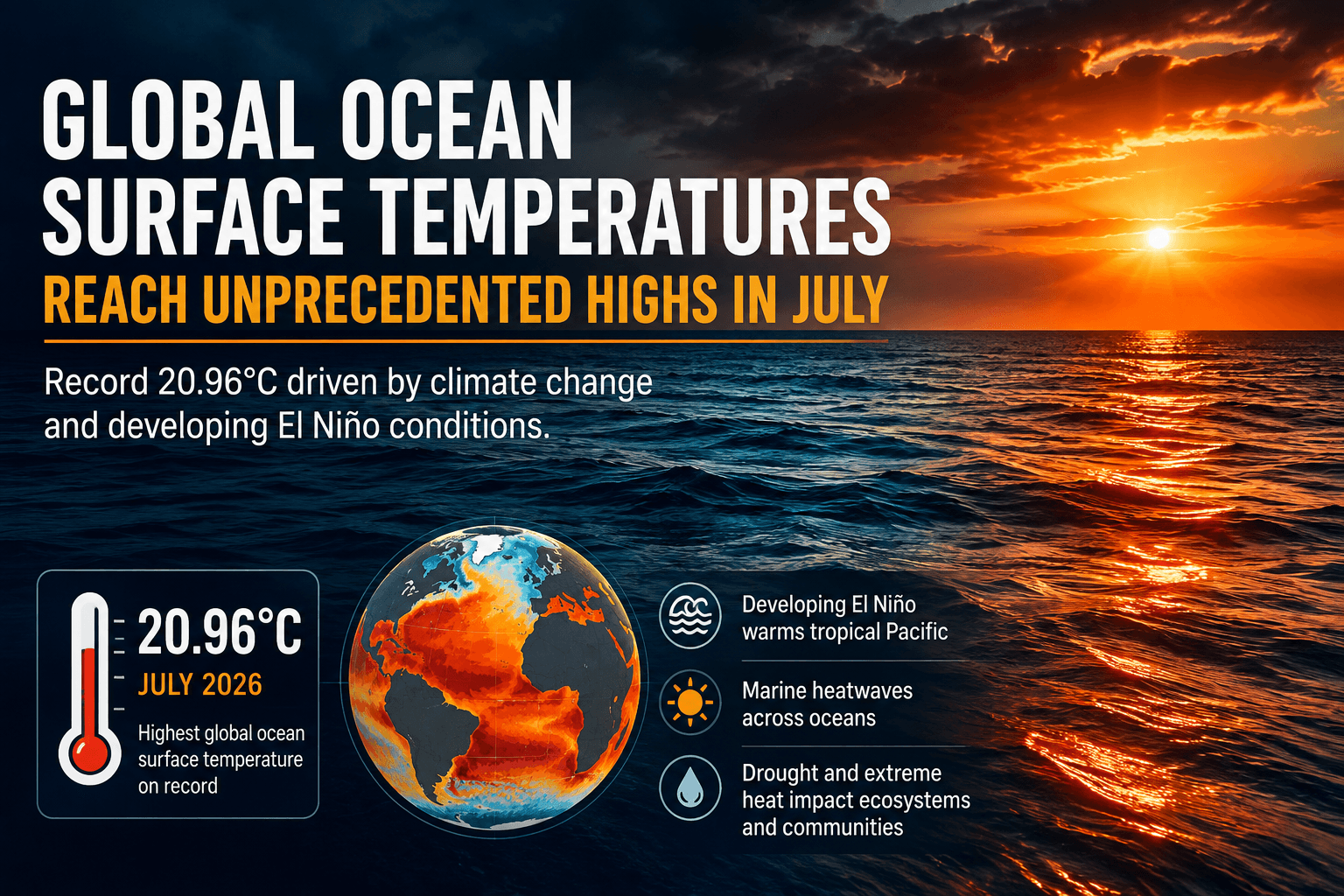
Global weather systems face a period of profound disruption as international meteorological authorities project a significant strengthening of the El Niño climate pattern. According to seasonal guidance issued by the World Meteorological Organization, the recurring phenomenon is expected to intensify between August and October, driving sharp anomalies in both ambient temperatures and regional precipitation. This shift occurs against the backdrop of sustained, long-term global warming trends, compounding the potential risks for agriculture, water security, and disaster management across multiple continents.
At its core, El Niño involves the periodic warming of surface waters in the eastern tropical Pacific Ocean, an oceanographic event that exerts a powerful influence on global atmospheric circulation. While the foundational mechanics of the cycle are well understood by climatologists, the anticipated vigor of this upcoming phase has raised the alert level for national weather services worldwide. The projected alterations in rainfall distribution threaten to produce severe droughts in some agricultural belts while triggering destructive flooding in others, demanding robust early-warning mechanisms from regional authorities.
Preparing for these climate anomalies requires immediate coordination among agricultural planners, energy providers, and emergency response networks. Because temperature and precipitation shifts directly dictate crop yields and hydro-electric generation capacity, early advisories allow governments to adjust resource distribution and safeguard vulnerable populations. Humanitarian organizations similarly rely on these seasonal forecasts to pre-position supplies and establish contingency plans for extreme weather events that frequently accompany intensified Pacific warming cycles.
Despite the advanced modeling tools utilized by the World Meteorological Organization, substantial uncertainties persist regarding the exact trajectory of the event. Forecasters note that the precise intensity peak remains difficult to predict, as do the localized variations in drought severity and heavy rainfall across specific geographic zones. Furthermore, the exact timing of when these atmospheric impacts will manifest most acutely across different hemispheres introduces additional variables for regional risk assessors.
Looking ahead, stakeholders must monitor subsequent monthly advisories and localized bulletins issued by national weather services as the August to October window approaches. Close observation of agricultural output reports and water resource management strategies will be essential for mitigating the socioeconomic shocks associated with the changing climate cycle. As global temperature baselines continue to rise, adapting to the amplified swings of the El Niño Southern Oscillation remains a central challenge for international resilience planning.