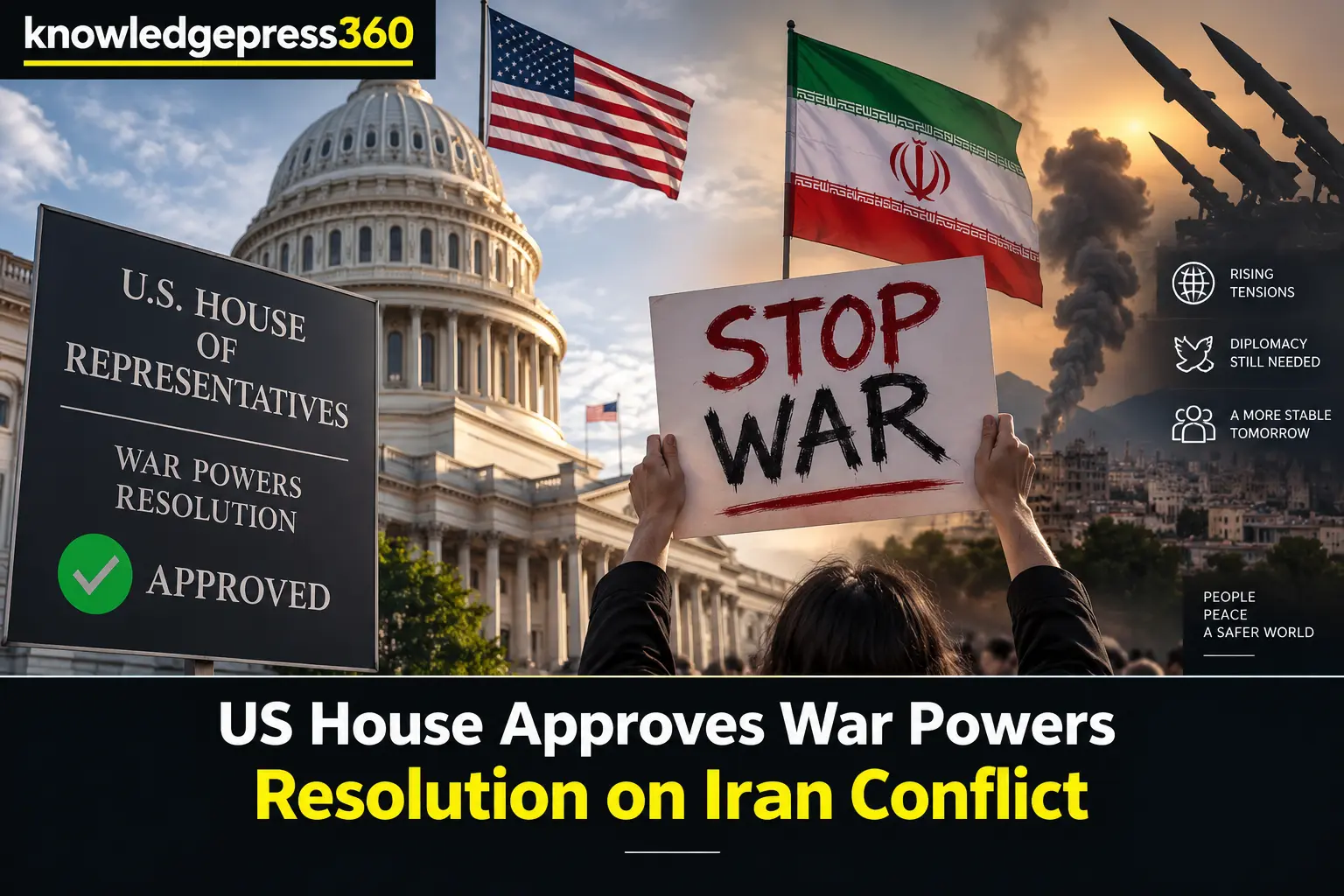
The United States House of Representatives has voted by a margin of 220 to 204 to approve a war powers resolution aimed at halting executive military actions in the ongoing conflict with Iran. This legislative maneuver marks the third occasion that the lower chamber has passed such a measure since hostilities commenced earlier this year. The vote underscores mounting legislative friction over foreign interventions as lawmakers prepare to leave Washington to campaign ahead of approaching midterm elections. While proponents argue that the legislature must actively reassert its constitutional war-making authority, the measure highlights deep partisan fractures regarding national security, fiscal responsibility, and the strategic direction of American foreign policy in the Middle East. Independent observers note that the debate arrives at a critical juncture when domestic economic pressures and overseas expenditures are heavily influencing voter sentiment across the country.
House Passes War Powers Resolution
The recent roll call demonstrated modest bipartisan support, with seven Republican lawmakers crossing party lines to join participating Democrats in backing the war powers resolution. Proponents of the legislation emphasized that sustained combat operations demand explicit congressional authorization, particularly as the military engagement extends well beyond initial executive projections. Representative Seth Moulton pointedly questioned the administration's timeline, recalling early assurances that the conflict would conclude swiftly. Conversely, opponents of the resolution and leading committee members argued that hasty withdrawals could compromise regional stability. Representative Brian Mast, chairman of the House Foreign Affairs Committee, defended the administration's broader objectives, asserting that Iran remains an enduring strategic threat to United States interests and that defensive assets in the region must not be prematurely compromised.
Congressional Budget Office Cost Findings
Coinciding with the legislative vote, the nonpartisan Congressional Budget Office released a comprehensive assessment detailing the profound financial and material toll of the military campaign. According to the federal watchdog, direct expenditures for the conflict have already surpassed 38 billion US dollars, with ongoing monthly costs continuing to accrue between 2 billion and 3 billion US dollars. Beyond direct monetary outlays, the report revealed significant strategic vulnerabilities, noting that defensive missile interceptor stockpiles, including Patriot and THAAD systems, have been severely depleted. Federal analysts cautioned that replenishing these critical defensive inventories to pre-conflict readiness levels could require at least five years of sustained manufacturing effort, introducing long-term operational concerns for military planners.