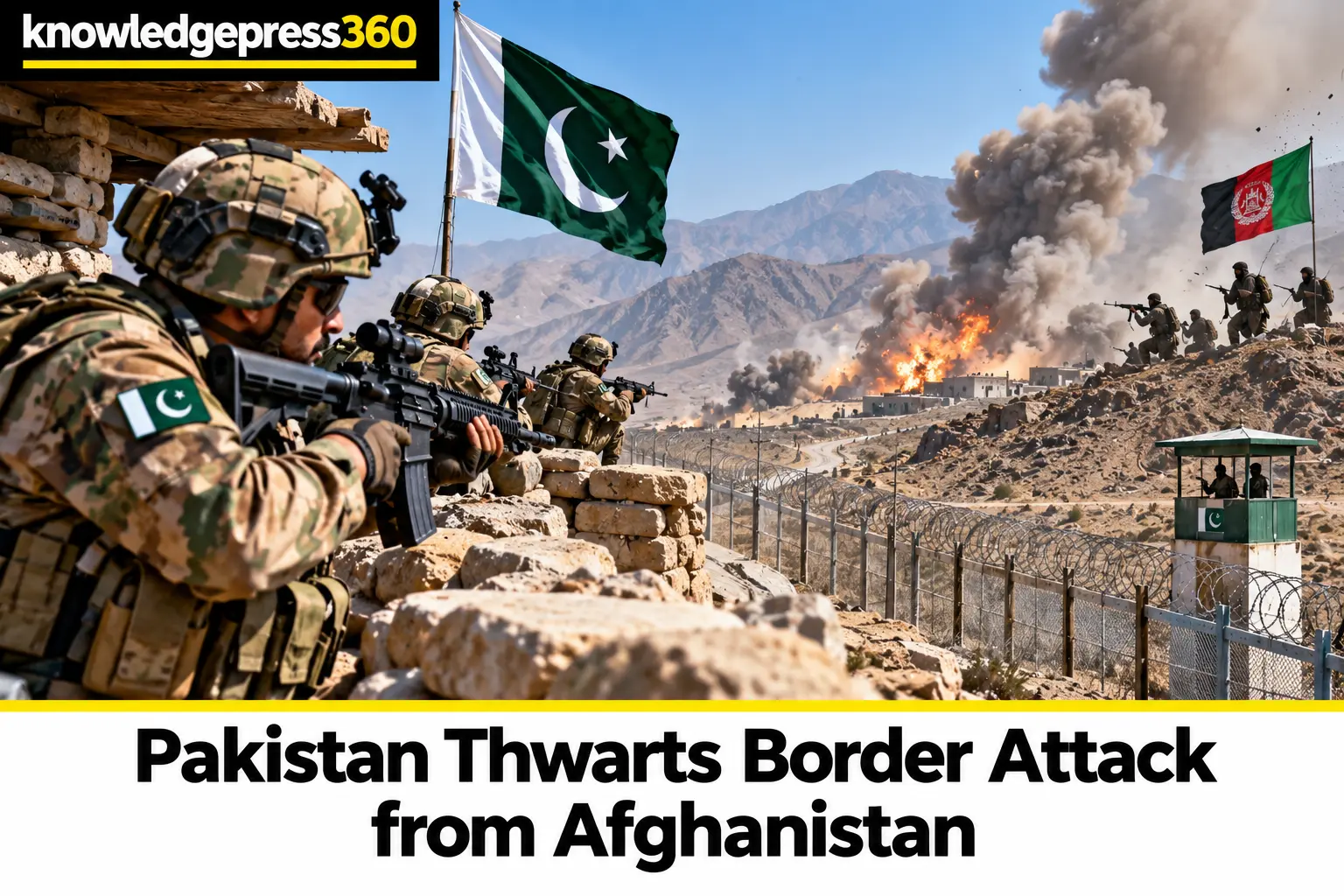
The sudden escalation of hostilities along the rugged frontier between Pakistan and Afghanistan threatens to unravel regional security in South Asia. Following a brief three-month window of relative calm, military exchanges have erupted once more, culminating in a thwarted cross-border offensive in the Gulistan sector. This flare-up carries profound implications not only for bilateral relations between the two neighbouring states but also for the broader geopolitical stability of a region long plagued by cross-border insurgencies. As security forces remain on high alert and diplomatic channels face severe strain, understanding the mechanics of this renewed conflict becomes vital for assessing future stability.
Border Skirmishes Erupt Near Gulistan
Pakistani security forces successfully repelled an armed incursion in the border region of Gulistan, neutralising several members of the Afghan Taliban during the engagement. According to official security disclosures, the defensive action was triggered by an aggressive attempt to breach Pakistani territory, leading to intermittent exchanges of gunfire that persisted across the mountainous terrain. The Afghan Taliban did not immediately issue a public response to these battlefield claims or the ensuing skirmishes. This violent episode broke a fragile three-month lull that had followed severe military confrontations earlier in the year, including major clashes in February and a high-casualty airstrike on Kabul in March where more than four hundred people were reported killed.
The immediate precursor to the Gulistan incident involved a series of aerial bombardments conducted by the Pakistan Air Force, which targeted ten distinct locations within Afghan territory that Islamabad claimed were utilised for launching and storing unmanned aerial vehicles. Days prior to those drone-related strikes, separate military operations in the border zone reportedly left twenty-eight militants dead. However, these figures are contested; Afghan Taliban officials strongly accused the Pakistani military of targeting civilian populations rather than combatants during those overnight raids. This sharp divergence in narrative underscores the deep mistrust defining current cross-border interactions, where tactical military actions are routinely viewed through opposing lenses of self-defence and state aggression.
Core Disputes Fuel Cross Border Tensions
At the heart of the ongoing diplomatic and military rupture lies a fundamental disagreement concerning militant safe havens and state responsibility. Islamabad maintains that the Afghan Taliban government provides sanctuary and operational support to Islamist militant factions, notably the Tehrik-i-Taliban Pakistan, which orchestrate lethal assaults within Pakistani borders. This frustration was compounded significantly by a devastating attack on a police facility in northwestern Pakistan during the preceding week, an assault that claimed the lives of at least twenty-four people and amplified domestic pressure on the Pakistani government to adopt a more aggressive posture.