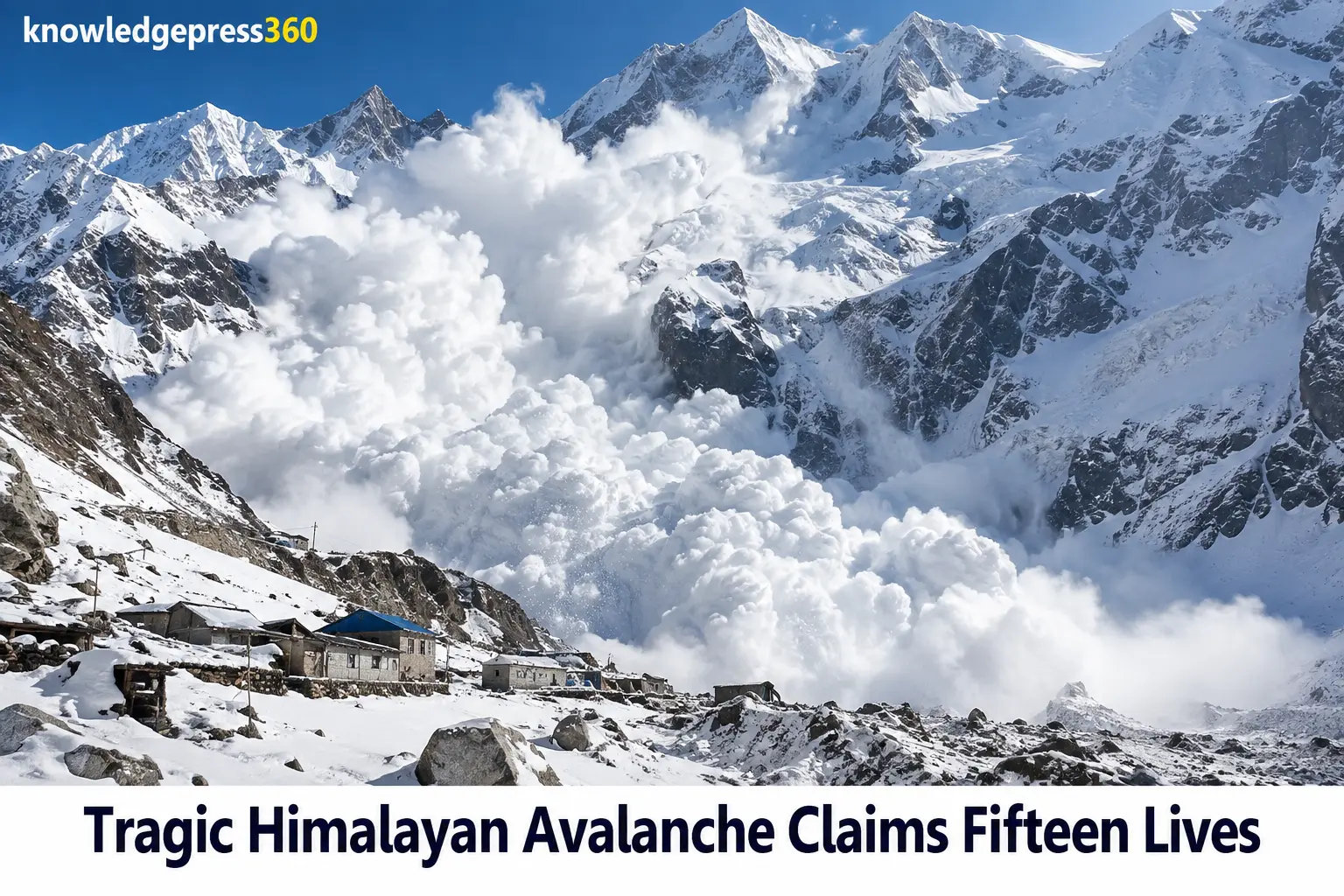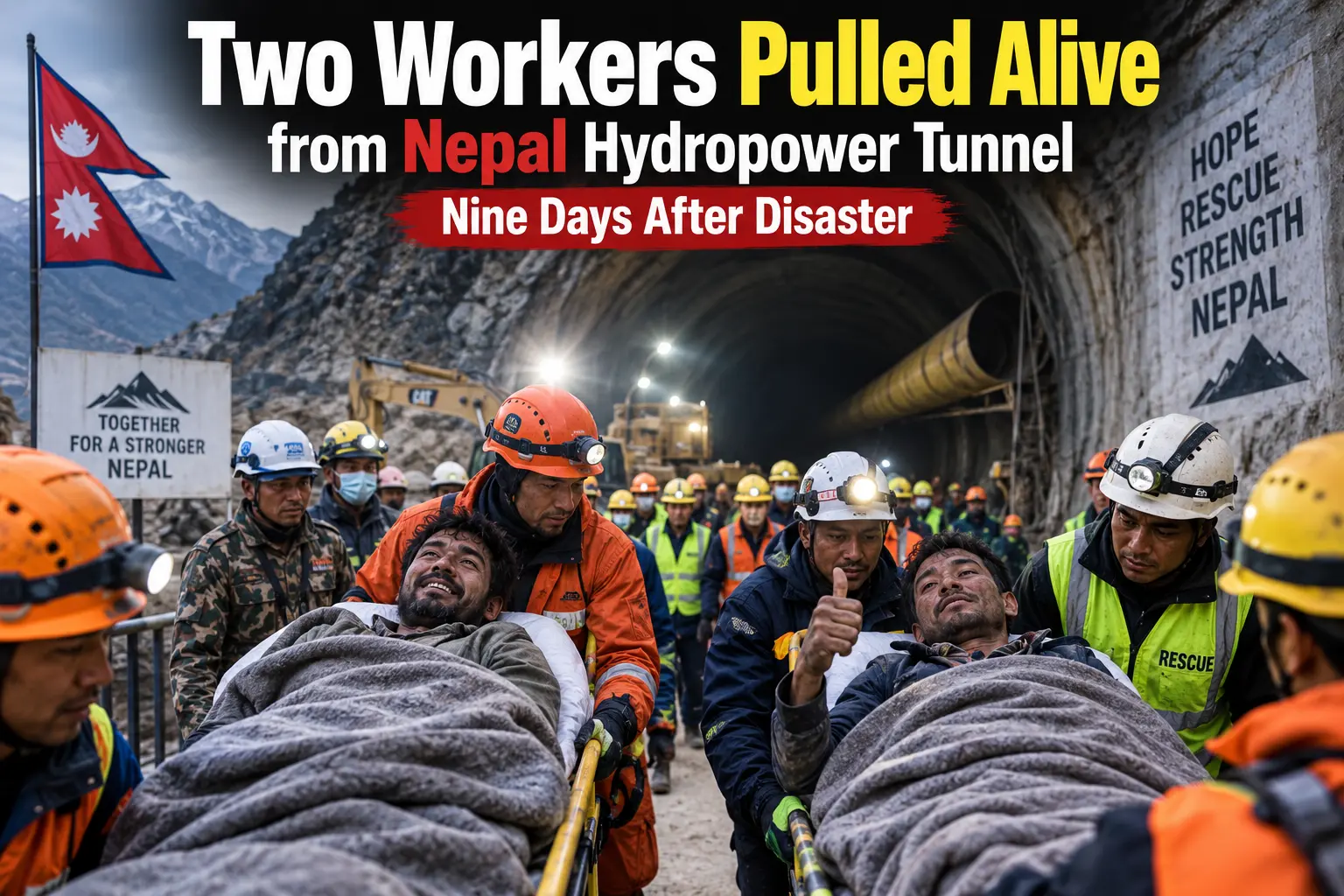
In a remarkable survival development that has pierced the gloom of a national catastrophe, rescue teams in Nepal successfully pulled two workers alive from a buried hydropower tunnel on Friday, September 4, 2026. The extraction at the Trishuli 3A project occurred a full nine days after catastrophic flash floods struck central Nepal on August 26, triggered by a high-altitude glacier collapse on the border with Tibet. This extraordinary recovery has injected a profound sense of hope into rescue operations that have spent over a week battling immense walls of mud, rock, and debris across the ravaged river valleys of the region.
Miracle Extraction at Trishuli 3A Hydropower Project
The miraculous retrieval of mechanical foreman Sanjay Shah and mechanical supervisor Kabir Maharjan from a depth of 170 metres inside the blocked tunnel marked a major turning point in the grim post-disaster phase. Army spokesperson Brigadier General Raja Ram Basnet confirmed that the men were located following acoustic localization efforts, wherein search teams heard human voices calling out from the dark, compressed interior. Rescuers established verbal contact, shouting encouragement before pushing through dense obstructions to reach the trapped individuals.
Images released by the Nepali Army depicted Sanjay Shah emerging from the narrow, darkened entrance of the subterranean structure, covered in mud but conscious and alert. Accounts from the scene noted that upon his emergence, Shah's immediate concern was asking what day it was, having lost all track of time in the absolute darkness. He later recounted being in the facility's control room when the wall of water struck, initially attempting to guide colleagues to safety before being cut off by the cascading debris. Both men were immediately airlifted to medical facilities in Kathmandu, with Shah admitted to Birendra Army Hospital and Maharjan taken to the National Trauma Centre, where officials confirmed they were in stable condition.
Scale of Devastation Across Central Nepal River Corridors
The August 26 flash floods caused unprecedented devastation along the Bhote Koshi and Trishuli river corridors, overwhelming remote communities and industrial installations alike. According to figures compiled by Nepal's disaster management agency, the catastrophe resulted in at least 1,259 deaths and left over 5,000 people missing, plunging the Himalayan nation into a severe humanitarian emergency. The sheer volume of rock, glacial silt, and timber swept down the valleys severely compromised critical road links and heavily damaged multiple hydropower installations.
Underground infrastructure, particularly the labyrinthine tunnels of regional energy projects where workers sought refuge or continued their duties, has become a primary focus of the grueling search operations. Approximately 900 workers remain reported missing from various hydropower sites across the disaster zone. Local military and police units have worked tirelessly in adverse conditions, facing unstable slopes, blocked access roads, and immense quantities of compacted mud that threaten further structural collapses during excavation work.