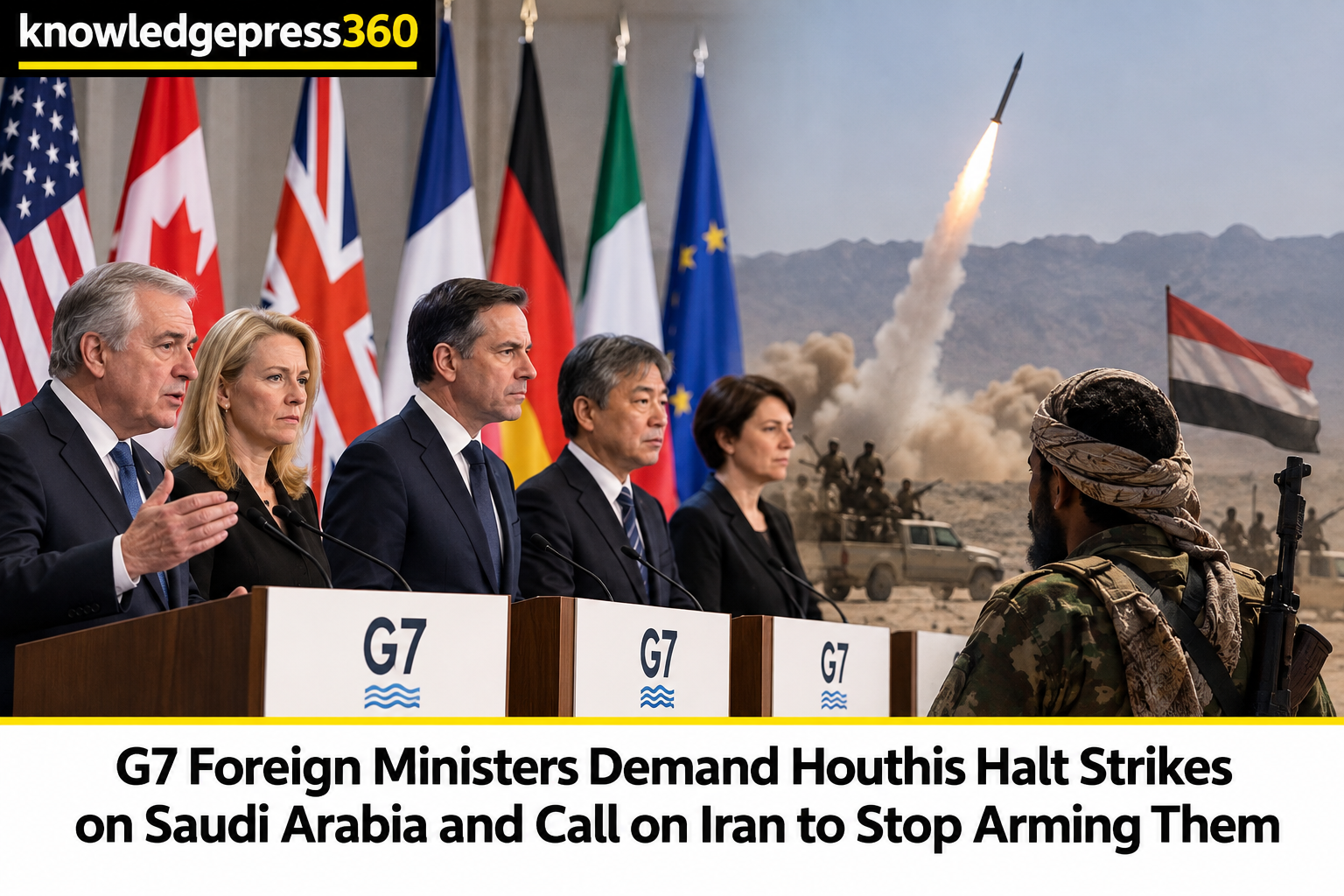
The diplomatic landscape at the United Nations General Assembly in New York has shifted sharply following a joint intervention by top diplomats from leading industrialised nations. Amid growing alarm over renewed military escalation in the Middle East, foreign ministers representing the Group of Seven member states have united to condemn military campaigns waged by Yemen's Houthi movement. Their declaration targets persistent cross-border assaults directed at the Kingdom of Saudi Arabia alongside maritime attacks threatening international commercial shipping lanes. This coordinated diplomatic push matters because it directly confronts a deteriorating security environment following the partial erosion of calm that had largely held across the region since previous truce initiatives.
Emergency Talks in New York
Gathered on the sidelines of the annual global gathering in New York, the senior representatives of the United Kingdom, Canada, France, Germany, Italy, Japan, and the United States formulated their joint stance during informal diplomatic consultations. The resulting communique issued by the G7 coalition delivers a rebuke of the alignment, condemning what participating ministers termed unacceptable continued strikes targeting civilian infrastructure. The international delegates formally demanded that Houthi leadership immediately cease all offensive military actions, halt threats against commercial vessels navigating maritime corridors, and return to political settlement frameworks. By elevating these security concerns to a multilateral level, the G7 nations sought to signal a united stance against actions that jeopardize regional security and global economic stability.
Broader Regional Escalation
The coordinated ministerial statement arrives concurrently with warnings issued by United Nations officials regarding deteriorating conditions on the ground within Yemen. Observers note that the diplomatic push coincides with Houthi military offensives across contested provinces including Taiz, Lahj, and Marib, alongside attempts to launch ballistic missiles and drones toward Saudi territory. Furthermore, the G7 text singles out Tehran, calling directly upon the Iranian government to halt its provision of arms and support to the militant group. Western diplomats assert that this material backing violates historic United Nations Security Council resolutions, forming a pattern of regional aggression that heightens geopolitical tensions well beyond the immediate conflict zone.
Diplomatic Uncertainties and Limits
Complexities continue to cloud the path toward de-escalation, leaving critical questions unanswered regarding the long-term efficacy of Western diplomatic pressure. Independent analysts point out that it remains uncertain whether rebukes and accusations from the G7 will successfully deter Iranian weapons shipments or compel Houthi commanders to suspend their maritime campaign. Moreover, the international community has yet to clarify what specific defensive security measures or economic countermeasures Western capitals might enact should the cross-border strikes persist. Balancing the imperative to secure trade routes against the risk of triggering wider regional hostilities presents a persistent dilemma for international policymakers.