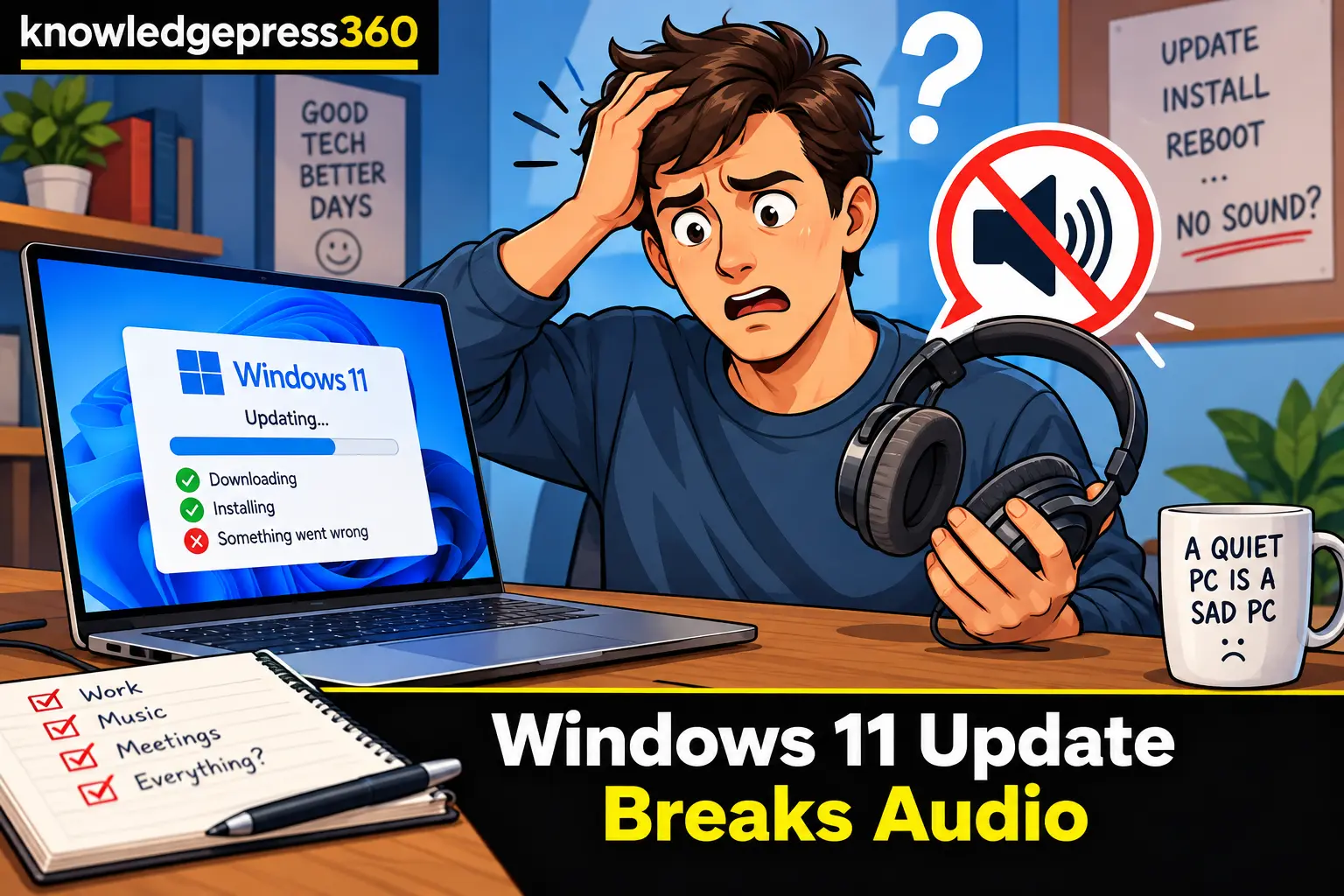
Microsoft has confirmed that the Windows 11 September security update, designated KB5124008, introduces a significant bug that breaks audio output on select personal computers. This development matters because it continues an ongoing pattern of software stability issues for Microsoft's flagship operating system, compounding user frustration over everyday usability and quality control. Public polling and tech community sentiment indicate mounting discontent regarding operating system updates that degrade core hardware functions, forcing users to scramble for temporary workarounds while awaiting official patches from developers.
KB5124008 breaks USB audio devices
According to updated Microsoft support documentation, the issue specifically impacts USB Audio Class 1.0 devices, leaving users completely unable to receive sound output from these affected hardware components. Affected users have reported various troubling symptoms, including Device Manager error messages such as 'This device cannot start (Code 10)', which fails to recognize specific USB audio equipment entirely. Other documented manifestations of the fault include unresponsive volume controls, complete silence, unresponsive sound settings, and the total absence of device detection within the system interface. This abrupt disruption has left numerous desktop and laptop owners without functional sound for media consumption, communication, and professional workflows.
Multichannel audio modes fail
Corroborated facts establish that the bug is directly tied to the KB5124008 security update and targets legacy USB Audio Class 1.0 specifications. As a temporary workaround, Microsoft notes that some users can maintain partial functionality by operating their hardware in standard stereo or conventional 2-channel audio configurations. However, switching to advanced multichannel audio features—such as 8-channel or immersive 3D audio modes—frequently triggers immediate device failure. Microsoft cautions that results will vary significantly based on individual device types and specific use cases, emphasizing that the workaround merely restores basic audio for select hardware rather than resolving the underlying software conflict.
Persistent quality control challenges
Contextually, this audio glitch follows a recent string of problematic patches deployed for Windows 11. Notably, the preceding August update introduced bugs that reset custom mouse cursors to oversized defaults, locked out personal customization settings, and provoked disruptive gameplay issues including forced crashes, freezing, and unexpected restarts linked to peripheral hardware. This continuous sequence of software errors underscores persistent challenges within Microsoft's pre-release testing and quality assurance pipeline. Users and system administrators are increasingly vocal about the frequency with which routine security updates introduce collateral damage to non-targeted peripheral devices and core system functions.