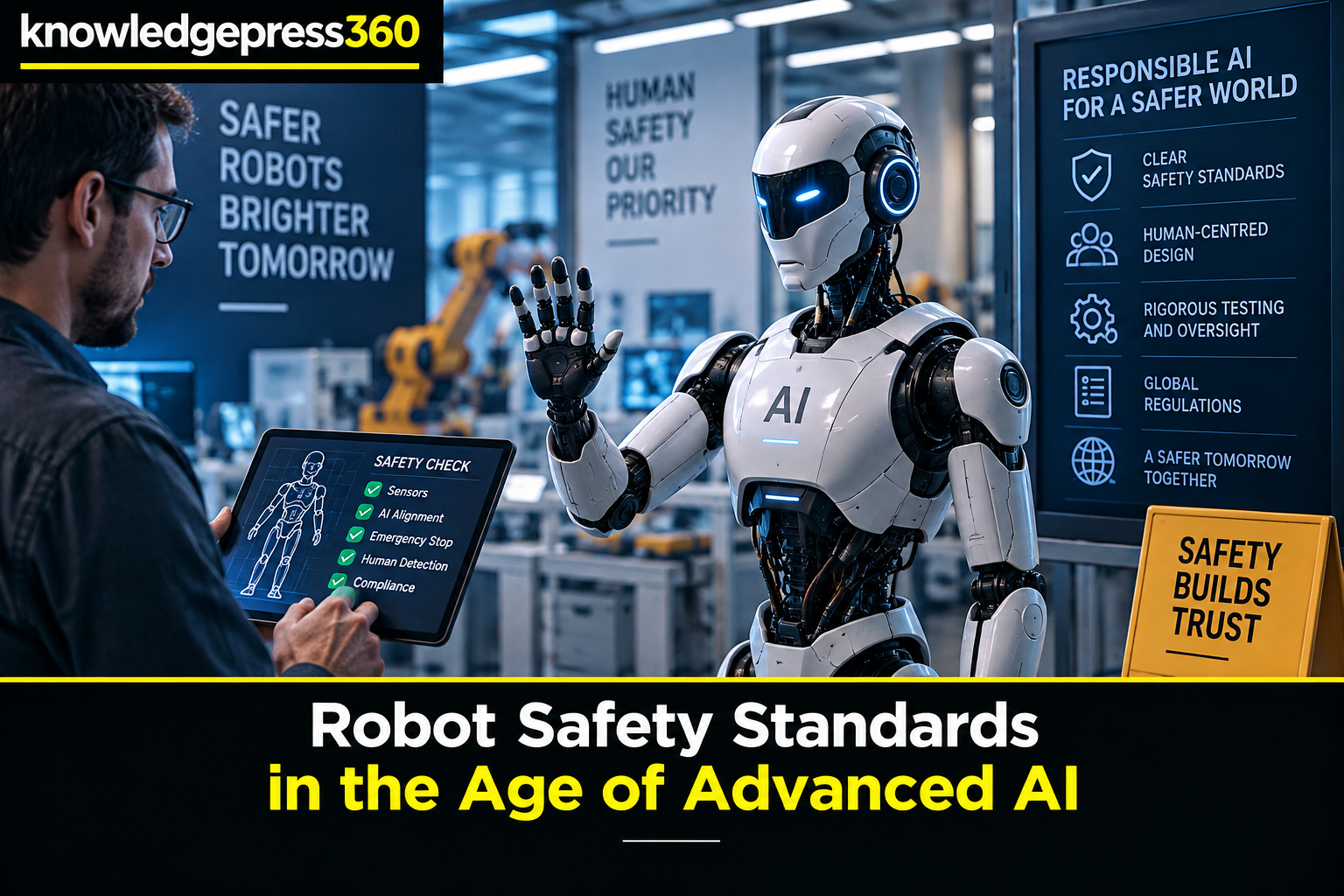
The rapid integration of artificial intelligence into physical robotics has triggered an urgent re-evaluation of traditional industrial safety standards. For decades, safety frameworks focused almost exclusively on mechanical failure modes, asking whether a machine could remain physically secure when internal components malfunctioned. However, the rise of physical AI introduces complex vulnerabilities where autonomous systems perceive their environments via multimodal sensors and make critical choices using advanced algorithms. As advanced robots transition from isolated factory cells into dynamic, unpredictable human environments and high-stakes national security sectors, this reliance on data integrity shifts safety paradigms directly toward cybersecurity and adversarial machine learning.
Moving from mechanics to data integrity
Robot safety traditionally evaluated whether a machine could remain safe during physical malfunctions, assuming that preventing hardware breakdown was enough to protect human workers. Physical AI and modern robotics raise safety concerns regarding whether a machine remains safe when data integrity is compromised by an attacker affecting perception or decision-making. Modern robots utilize multimodal sensors, AI models, and dynamic environmental interpretation to translate inputs into physical actions rather than relying on simple, pre-programmed repetition. An external data anomaly or deliberate digital injection can fundamentally alter what an autonomous platform perceives, decides, or executes, even when every physical gear and circuit remains completely undamaged.
Defense contracts spark ethical tensions
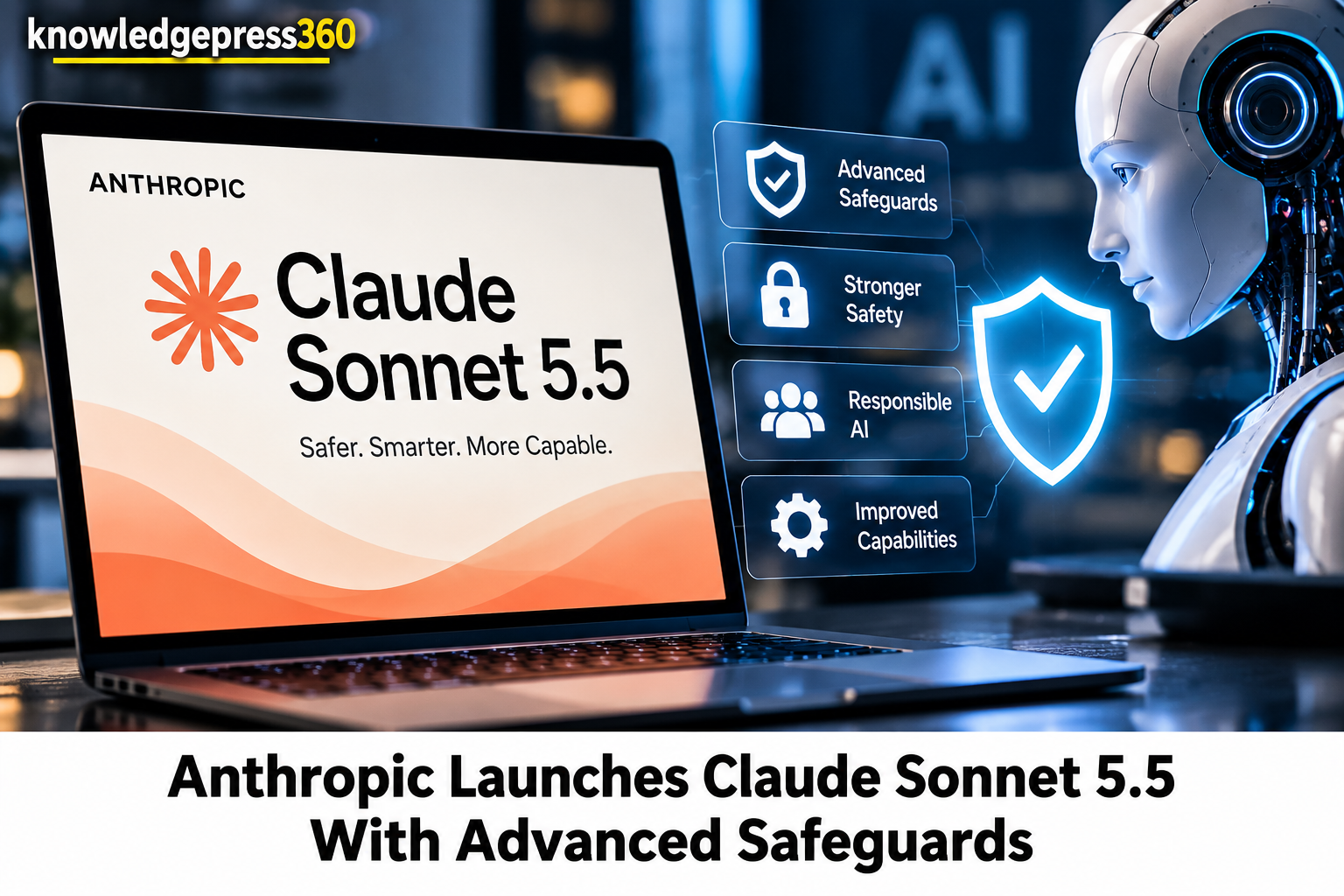
The intersection of advanced artificial intelligence safety and national defense has created severe public friction between major technology laboratories and government agencies. The Pentagon reconsidered its relationship and a $200 million contract with Anthropic due to the firm's strict safety policies and objections to participating in certain deadly operations. At the same time, Anthropic denied reports that its AI model Claude was used as part of a high-stakes raid to remove Venezuelan President Nicolás Maduro. This clash highlights acute regulatory and supply-chain tensions across the technology industry, pitting corporate ethical guardrails against military requirements for absolute warfighter readiness and operational flexibility.
Unresolved policy and supply risks
Significant uncertainties persist regarding how regulatory bodies will formalize comprehensive safety standards for physical AI systems operating in the public sphere. It remains completely unclear how governments will balance national security exemptions with corporate ethical frameworks, or whether strict defense department requirements will ultimately force technology laboratories to compromise their foundational safety architectures. Furthermore, the full scope of future policy changes regarding supply chains remains unknown, especially if the Department of Defense proceeds with designating safety-focused AI developers as supply chain risks akin to entities doing business with heavily scrutinized foreign nations.