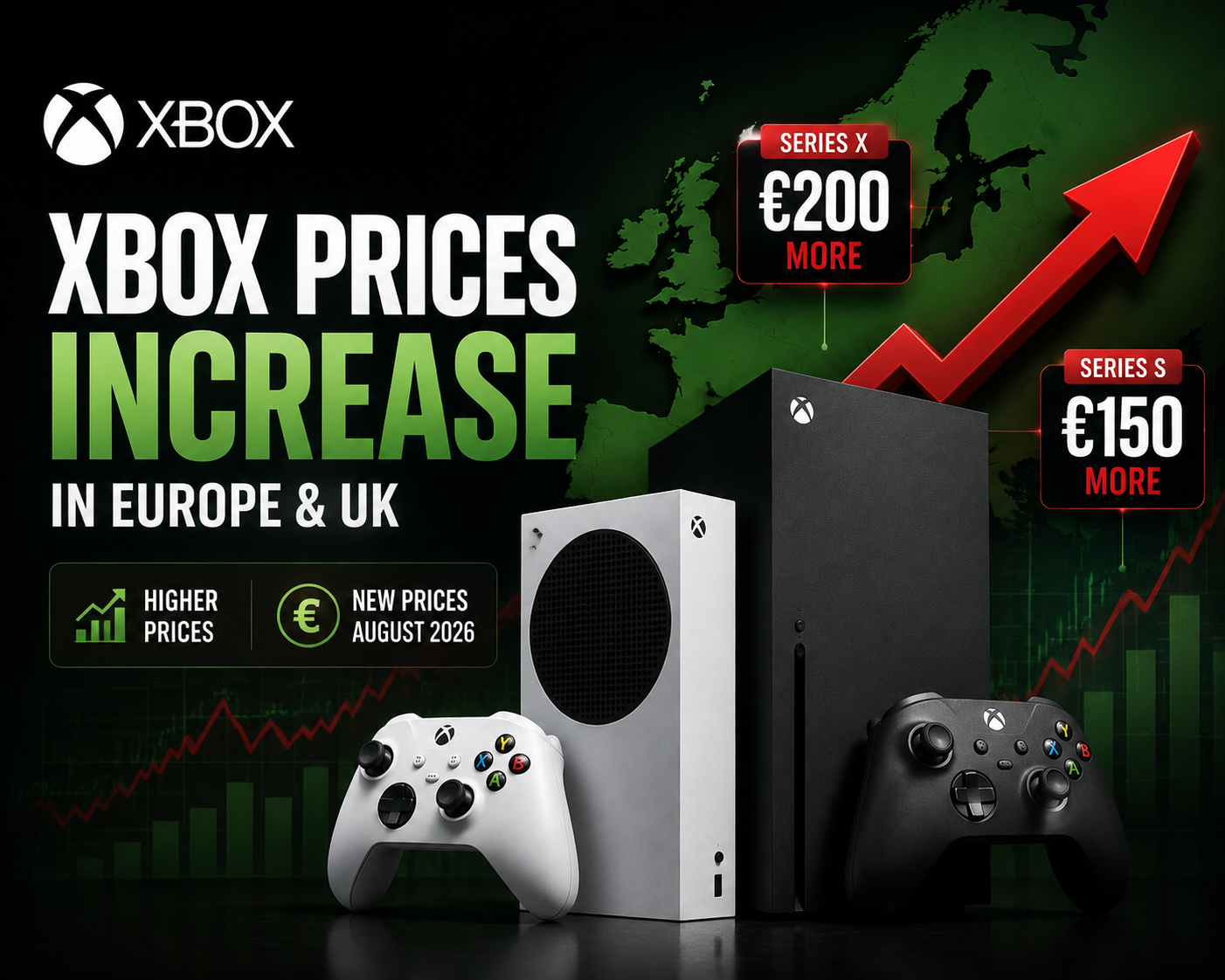
Microsoft has initiated substantial price increases for its Xbox Series hardware across Europe and the United Kingdom. The structural adjustments, scheduled to take full effect in August 2026, alter the financial landscape for current-generation console gaming in these territories. With hikes affecting multiple model tiers and reaching up to 33 percent in specific regional markets, the move signals a notable shift in how hardware economics are managed midway through the current console cycle.
Driving Factors Behind the Hardware Cost Surge
The decision to raise console prices stems from persistent macroeconomic pressures that have reshaped the consumer electronics industry over recent years. Component expenses, complex supply chain logistics, and fluctuating currency valuations have combined to challenge the traditional profit margins associated with hardware manufacturing. Historically, platform holders often absorb hardware losses or operate on thin margins early in a console lifecycle, offsetting those deficits through software sales and digital subscriptions like Xbox Game Pass. However, sustained inflationary headwinds and mounting operational overhead have forced a re-evaluation of these legacy pricing strategies.
While exact percentage adjustments vary by country and specific machine tier, the flagship Xbox Series X has borne the brunt of the restructuring. Reports from various technology and gaming publications indicate that European consumers face surges reaching up to two hundred euros more depending on the market, translating to spikes of roughly a third over previous baseline figures. The Xbox Series S has also been subjected to upward revisions, ensuring that both entry-level and high-performance options reflect the updated corporate pricing policy.
Market Dynamics and Competitive Implications
Altering hardware pricing during an active console generation carries considerable strategic risk. Consumer purchasing power remains constrained by broader economic conditions, making any additional financial barrier a potential deterrent for prospective buyers who have delayed adopting next-generation systems. Industry observers note that raising the cost of entry risks shifting market share dynamics, particularly as competitors navigate their own regional pricing strategies and promotional bundles.
At the same time, the divergence in pricing structures across international borders highlights the complexity of modern hardware distribution. While European and British markets face these immediate structural increases, the exact scope of parallel rollouts in other global regions, including North America, remains subject to local retail conditions and corporate adjustments. Analysts tracking the hardware sector point out that regional taxation, local currency strengths, and retail channel negotiations continue to create a patchwork of final consumer costs.