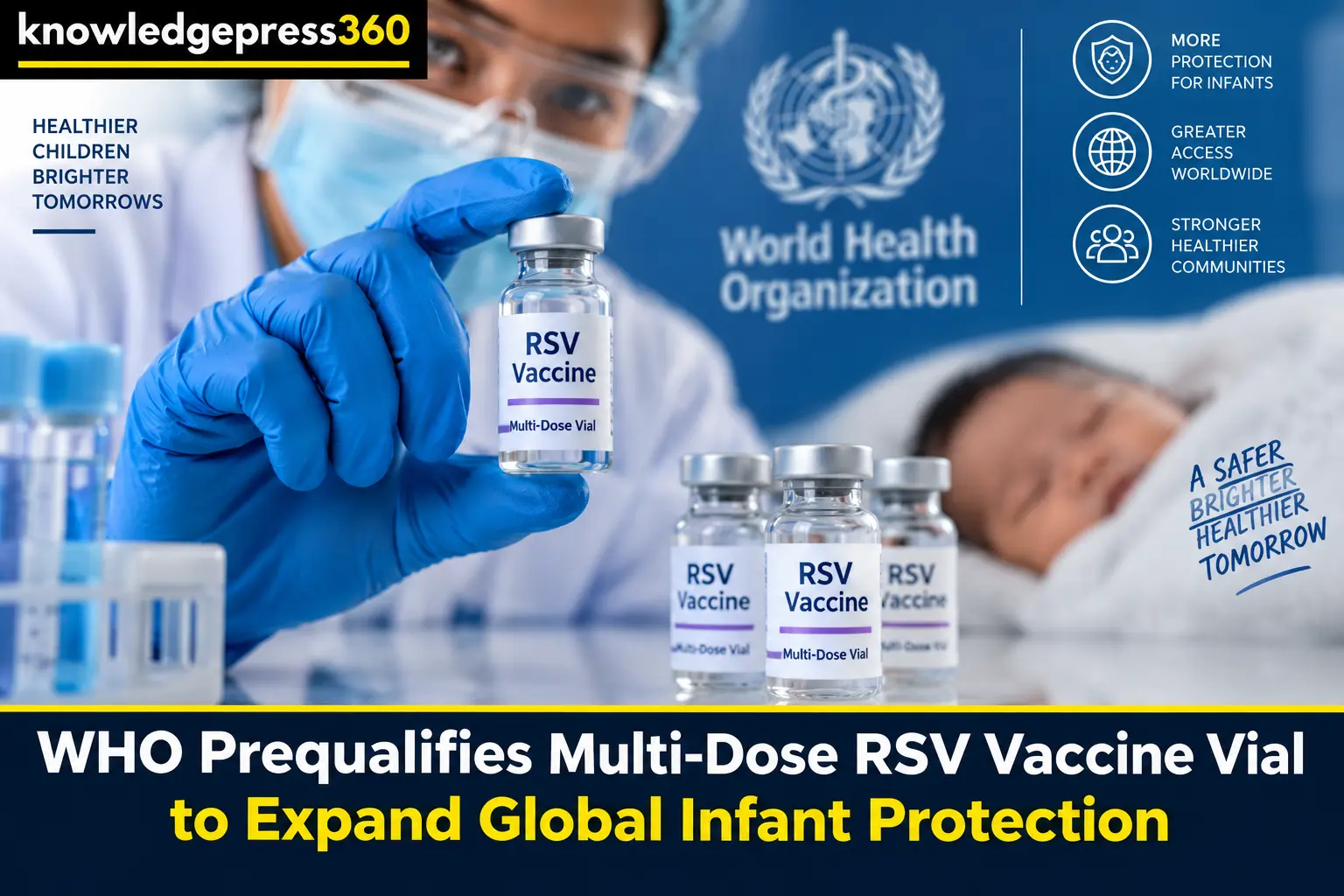
Global public health efforts have taken a significant step forward following a major regulatory decision regarding infant protection against severe respiratory infections. The World Health Organization has officially prequalified a multi-dose vial presentation of the maternal respiratory syncytial virus vaccine, known as RSVpreF or Abrysvo. This development marks a pivotal milestone in expanding immunization access worldwide, particularly for nations relying on international procurement pathways to safeguard vulnerable populations. By approving this multi-dose formulation, international health authorities aim to remove longstanding logistical and financial hurdles that have historically complicated large-scale vaccine distribution in resource-limited settings.
Expanding Global Infant Immunization Access
Respiratory syncytial virus remains a primary global driver of severe respiratory illness, responsible for an estimated 3.6 million hospitalizations and approximately 100,000 deaths annually among children under five years of age. Roughly half of these fatal outcomes occur in infants under six months old, representing the exact demographic that maternal immunization strategies are engineered to protect. The newly prequalified multi-dose packaging significantly decreases storage footprints, cold-chain capacity demands, transportation expenditures, and medical waste compared to traditional single-dose formats. Developed with philanthropic backing from the Gates Foundation, the formulation aims to make maternal vaccination vastly more affordable and logistically manageable for national health ministries.
Targeted Maternal Administration Protocols
To maximize the immunological benefit for newborns, international health guidelines specify precise administration timelines for expectant mothers. The World Health Organization recommends administering the maternal vaccine during the third trimester, specifically from gestational week 28 onward. This precise window ensures robust transplacental antibody transfer, equipping infants with vital passive immunity during their highly vulnerable first six months of life. Clinical understanding of respiratory syncytial virus highlights its nature as an RNA virus belonging to the Pneumoviridae family, which infects cells throughout the human respiratory tract from the nasal passages down to the deep lung tissue. While many infections result in mild upper respiratory symptoms, lower respiratory tract infections can quickly become life-threatening without advanced medical intervention.
Regional Disparities and Mortality Burdens
The urgency behind deploying more efficient vaccine presentations stems from stark geographical disparities in clinical outcomes and healthcare access. Approximately 97 percent of respiratory syncytial virus-related infant deaths transpire in low- and middle-income countries characterized by restricted access to supportive medical care. In numerous instances, affected infants succumb to the illness at home before reaching a formal healthcare facility. While this multi-dose prequalification provides a powerful tool to combat these stark inequalities, important operational considerations remain. Public health observers continue to monitor vaccine integration timelines alongside real-world program logistics across participating countries.