Access to proper medical care should never depend entirely on an individual's residential location or financial standing, yet that fundamental guarantee remains elusive for millions worldwide. To bridge this persistent divide, the World Health Organization has officially introduced a free educational initiative titled The Primary Health Care Approach: A Short Course, hosted on the specialized WHO Academy digital learning environment. This development matters urgently because, despite nearly half a century of rhetorical dedication across international borders, primary health care continues to suffer from deep conceptual misunderstandings that directly hinder global progress toward universal health coverage. By demystifying operational fundamentals and aligning international stakeholders around concrete definitions, this digital curriculum aims to transform high-level policy commitments into tangible improvements in community wellbeing.
Unpacking New Curriculum Structure
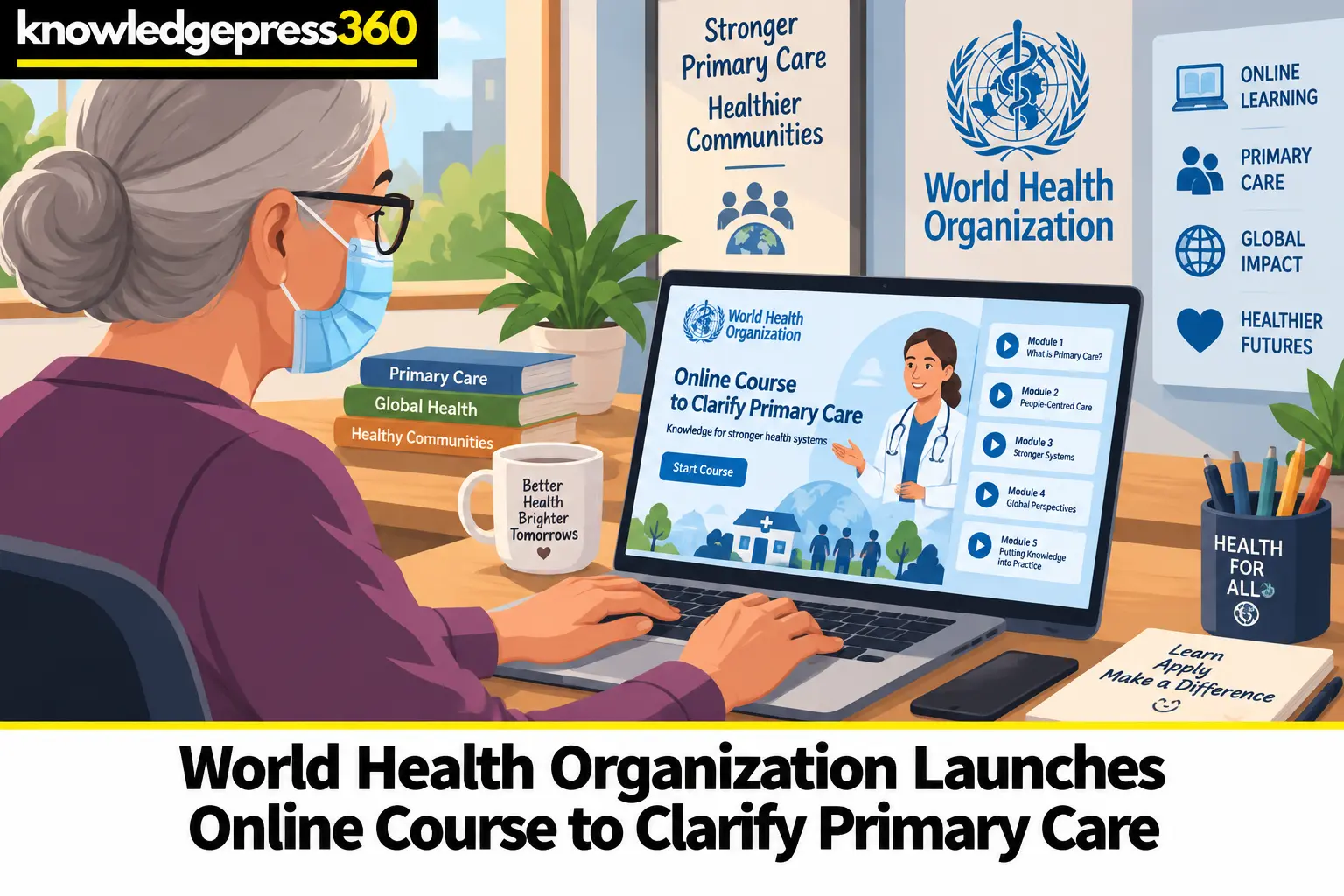
Delivered entirely online as a self-paced learning journey, the ninety-minute programme is meticulously organized into five distinct modules designed to bridge broad theoretical frameworks with everyday administrative practice. Learners navigate core topics that examine why primary care remains indispensable, the three foundational pillars of the model, and the various operational levers necessary for robust institutional strengthening. Furthermore, the curriculum incorporates targeted lessons on navigating complex health system transformations through structured political-economy analysis and compassionate leadership. Adapted directly from a comprehensive 2024 capacity-building initiative for global health leaders, the short course responds to an overwhelming international appetite for concise, high-yield educational material that can be absorbed by busy administrators and clinicians alike.
Global Uptake And Metrics
Since its recent rollout, the educational offering has demonstrated remarkable traction among international health professionals, attracting over three thousand participants hailing from more than one hundred and forty countries within its initial months of availability. This broad geographical spread underscores a universal hunger for standardized guidance on structuring community-oriented health architectures. Participants who successfully navigate the modular assessments receive a formal WHO Academy Award of Completion, validating their engagement with international best practices. Dr Kalipso Chalkidou, Director of the Department of Performance, Financing and Delivery at the organization, noted that broad consensus among member states creates a unique window of opportunity to accelerate structural reform. By establishing a shared baseline of knowledge, the initiative equips regional health workers to advocate more effectively for equitable resource allocation and responsive service delivery.