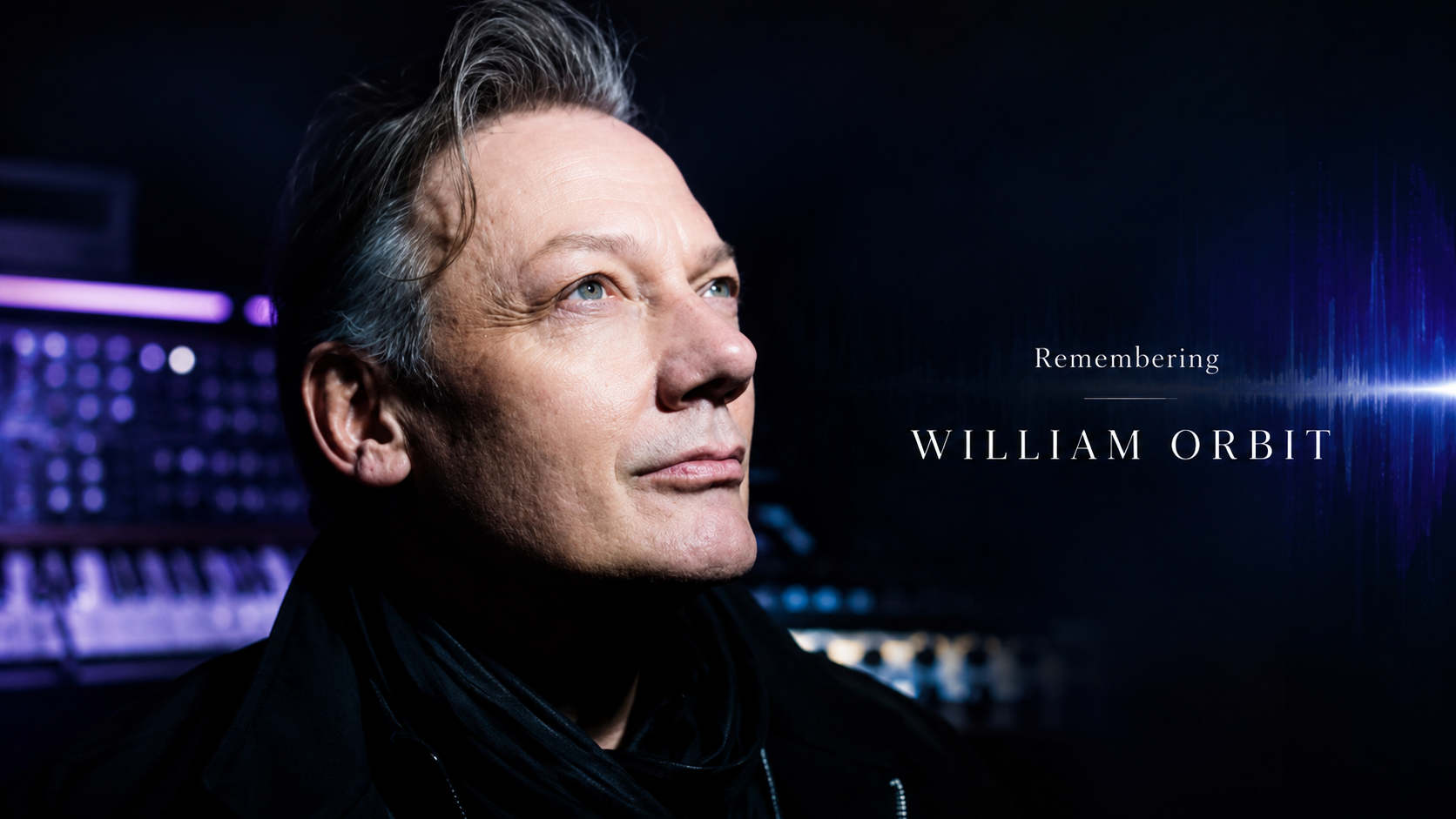
The passing of British producer and musician William Orbit at the age of 69 marks the departure of a creative force who fundamentally reshaped the landscape of contemporary popular music. Emerging from the underground electronic scenes of the late twentieth century, Orbit brought ambient textures, intricate electronic beats, and atmospheric depth into the mainstream consciousness. His death, confirmed across major international media outlets, closes a definitive chapter in modern music production, prompting reflections from industry colleagues and fans on a career defined by sonic innovation and cross-genre collaboration.
Born William Wainwright, the producer earned his lasting renown through a distinctive artistic vision that married electronic experimentation with conventional pop songwriting structures. While his early career involved various underground projects and experimental recordings, his breakthrough arrived when he applied his signature atmospheric ethos to mainstream projects. Rather than merely supplying beats, Orbit constructed immersive sonic environments that elevated vocal performances and challenged the traditional boundaries of radio-friendly music, setting a new benchmark for studio craftsmanship.
His most celebrated achievement arrived with his pivotal role on Madonna’s landmark 1998 album, Ray of Light. The record became a global phenomenon, winning multiple Grammy Awards and proving that electronic ambient music could achieve massive commercial success without sacrificing artistic integrity. By weaving shimmering synthesizer pads and driving dance rhythms together with acoustic instrumentation, Orbit helped craft a sound that defined late-nineties pop and validated electronic producers as primary auteurs in the recording studio.
Beyond his defining work with Madonna, Orbit maintained a remarkably versatile career, lending his signature production, writing, and remix talents to an eclectic roster of prominent acts. His creative footprint extended across diverse genres, shaping notable releases for alternative bands such as Blur, pop vocal groups like All Saints, and global superstars including Britney Spears. Each collaboration reflected his unique ability to honor an artist's core identity while introducing sophisticated electronic framing that kept his productions sounding perpetually forward-thinking.
He died at home on 23 July 2026 at the age of 69, according to a statement from his family and friends. The cause of death has not been publicly disclosed. As the music industry reflects on his passing, tributes have highlighted his pioneering contribution to electronic and pop production, particularly his influential work with artists including Madonna, Blur and All Saints. His distinctive approach to sound design and studio production leaves a lasting legacy across modern popular music.