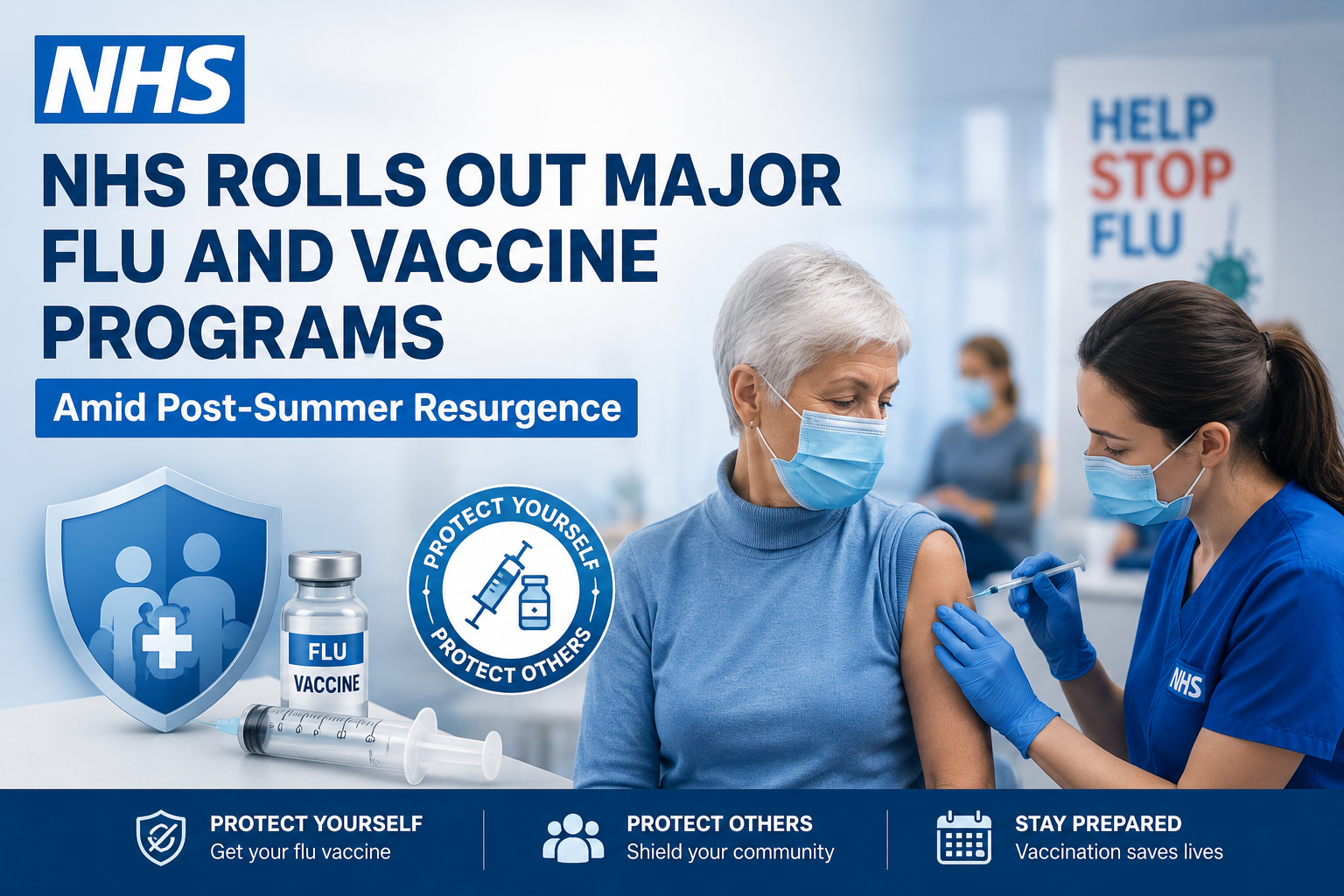
Public health authorities across the United Kingdom are confronting an intensive convergence of seasonal pressures as the National Health Service initiates major preventative immunization campaigns. Following a highly demanding summer period for emergency departments and general practice networks, health officials have accelerated autumn vaccination schedules to shield vulnerable populations from overlapping respiratory pathogens. This early mobilization reflects lessons learned from previous winter seasons, when sudden surges in viral transmission threatened to overwhelm acute hospital beds. By deploying expanded protection before severe weather takes hold, clinical leaders aim to forestall capacity crunches that traditionally affect acute care facilities during the colder months.
Expansion of the RSV Programme for At-Risk Adults Aged 65 to 74
At the forefront of these preventative measures is a significant widening of the Respiratory Syncytial Virus immunization initiative, which took effect on September 1 following updated guidance from the Joint Committee on Vaccination and Immunisation. While the program previously targeted older adults turning 75, eligibility has now been broadened to encompass individuals aged 65 to 74 who live with specific clinical vulnerabilities. This extension covers patients managing chronic respiratory conditions such as poorly controlled asthma, chronic obstructive pulmonary disease, bronchiectasis, and cystic fibrosis, alongside individuals experiencing varying degrees of immunosuppression. The rollout continues to rely on the Pfizer pre-F vaccine, administered under the Abrysvo single-dose schedule, providing targeted defense against a pathogen that poses severe health risks to older demographics and those with underlying health impairments.
Early Autumn Flu Campaign Countering Subclade K Pressures
Concurrently, the health service has initiated its annual influenza vaccination drive well ahead of traditional timelines, driven by the acute strain experienced during the preceding winter period. Last year's flu season arrived more than a month earlier than expected, intensified by the circulation of the Super-K strain, which caught communities off guard and severely stretched emergency care infrastructure. Although the term super flu is not an official medical classification, it highlighted a profound lack of population-level immunity against the mutating virus. To counteract similar disruptions, this year's seasonal influenza vaccine has undergone specific formula adjustments to ensure a closer match against subclade K variants. General practices, community high-street pharmacies, and local schools are actively coordinating the distribution of these updated jabs to priority groups, including pregnant women, older citizens, caretakers, and individuals with long-term medical conditions.