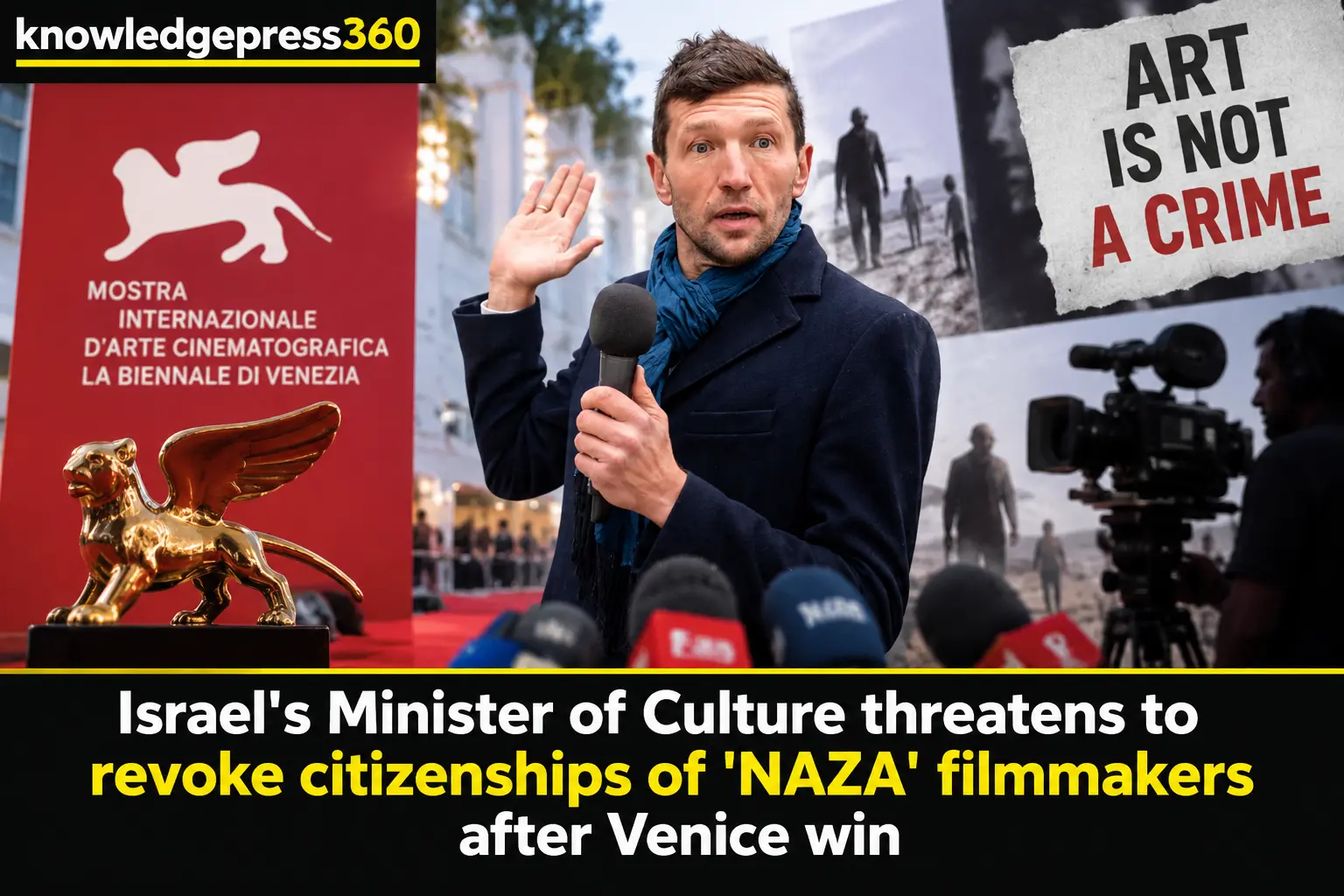
The intersection of art, politics, and state security has entered a volatile new phase following sweeping condemnation from Israeli officialdom directed at a newly acclaimed documentary. Israel's Minister of Culture, Miki Zohar, has publicly threatened to pursue the immediate revocation of Israeli citizenship for co-directors Yuval Abraham and Rachel Szor. This drastic political maneuver follows their feature-length documentary film securing the Special Jury Prize at the 83rd Venice International Film Festival, where it debuted to extraordinary international attention and a lengthy standing ovation. The escalating dispute underscores profound societal fractures regarding artistic freedom, wartime accountability, and the boundaries of dissent within democratic nations engaged in active military campaigns. By targeting the creators' national status, the controversy elevates domestic culture wars into high-stakes legal and political territory. Understanding the implications requires examining the core allegations contained within the film, the institutional reactions it has provoked, and the constitutional hurdles facing ministerial threats of banishment. As international film communities rally behind the awarded directors, domestic authorities remain steadfast in their condemnation, setting the stage for a protracted clash over state loyalty and freedom of expression. Examining the verified developments reveals how deeply cinematic depictions of military strategy can rattle the highest echelons of government.
Venice Triumph Sparked Ministerial Backlash
The eighty-minute documentary, titled NAZA, captured the prestigious Special Jury Prize at the 83rd Venice International Film Festival after receiving a remarkable standing ovation from festival attendees. Directed by Yuval Abraham and Rachel Szor—both of whom previously contributed to the acclaimed documentary No Other Land—the film focuses sharply on military systems and targeting mechanisms utilised by the Israel Defense Forces in the Gaza Strip. The title itself derives from a military acronym referring to expected civilian casualties in an airstrike. The production relies extensively on testimony from twenty-four anonymously interviewed military and intelligence insiders. These concealed sources discuss complex surveillance architectures, artificial intelligence applications, and acceptable civilian casualty limits associated with modern warfare. Following the international screening and subsequent award announcement, cultural and political figures in Israel reacted with swift indignation. Minister of Culture Miki Zohar publicly condemned the project as vile, characterising the work as an act of treason and self-loathing designed to appease international critics. Alongside Zohar, other prominent right-wing politicians launched blistering attacks against the co-directors. In response to the backlash, Abraham argued during his acceptance speech that denying uncomfortable realities only allows crimes to persist, asserting that citizens and international audiences alike must confront difficult truths regarding military actions and foreign funding.